The gap, and where it is largest
Yield is the central argument
Every serious objection to organic agriculture eventually circles back to the same number: the yield gap. Organic systems, on average, produce less per hectare than their conventional counterparts. The question is not really whether a gap exists — most of the evidence agrees that it does — but how large it is, where it is most damaging, and whether the comparison being made is actually a fair one.
The landmark 2012 meta-analysis by Verena Seufert and colleagues at McGill University, published in Nature, examined 316 comparisons across 34 crop species and found that organic yields were, on average, around 25 percent lower than conventional yields — but the variance around that figure was enormous. For some crops and some farming systems, the gap shrank to near zero. For others, it exceeded 50 percent. A single headline number obscures more than it reveals, and that is precisely the problem with how this debate has been conducted in public.
Cereals show among the most consistent gaps. Wheat grown organically typically yields somewhere between 20 and 40 percent less than wheat grown with synthetic nitrogen, depending on soil type, location and the comparison system chosen. The logic is not complicated: organic systems depend on nitrogen without a bag — legume rotations, green manures, composted organic matter — and while these sources are real and effective over time, they do not deliver the flush of immediately available nitrogen that synthetic fertiliser can. In high-production, highly optimised conventional wheat systems, that difference in nitrogen timing is the dominant cause of the gap.

Where the gap narrows, and where it does not
Not all crops behave like wheat. The 2014 meta-analysis led by Lauren Ponisio at the University of California, Berkeley, published in the Proceedings of the Royal Society B ↗, reached a somewhat more optimistic conclusion than Seufert's earlier work: across nearly 1,000 comparisons, average organic yields were about 19 percent below conventional, and where multi-cropping and crop rotations were in use the gap fell further still, to around 9 percent. The implication was not that organic systems are secretly as productive as conventional ones, but that the gap is responsive to management practice rather than being a fixed biological ceiling.
Legumes — beans, lentils, pulses — show the smallest gaps, sometimes effectively none. This makes biological sense: legumes fix their own atmospheric nitrogen through root symbiosis, so they are less dependent on the input that organic systems have the greatest trouble supplying at scale. Fruits, and many vegetable crops, show highly variable gaps, heavily influenced by pest and disease pressure, which can run high in dense plantings without synthetic pesticides available. Oilseeds sit somewhere in between.
The geography of the gap matters too. In low-input farming regions — parts of sub-Saharan Africa, South and Southeast Asia, portions of Latin America — where conventional farming is already not heavily capitalised, the conversion to organic practice sometimes yields comparably or even, in controlled trials, slightly better. The reason is that a transition from low-input conventional to certified organic can mean an improvement in soil management even before external synthetic inputs are removed, because there were few to begin with. The gap that dominates the policy conversation is largely a gap in high-input, industrialised agriculture, not a universal biological constant.
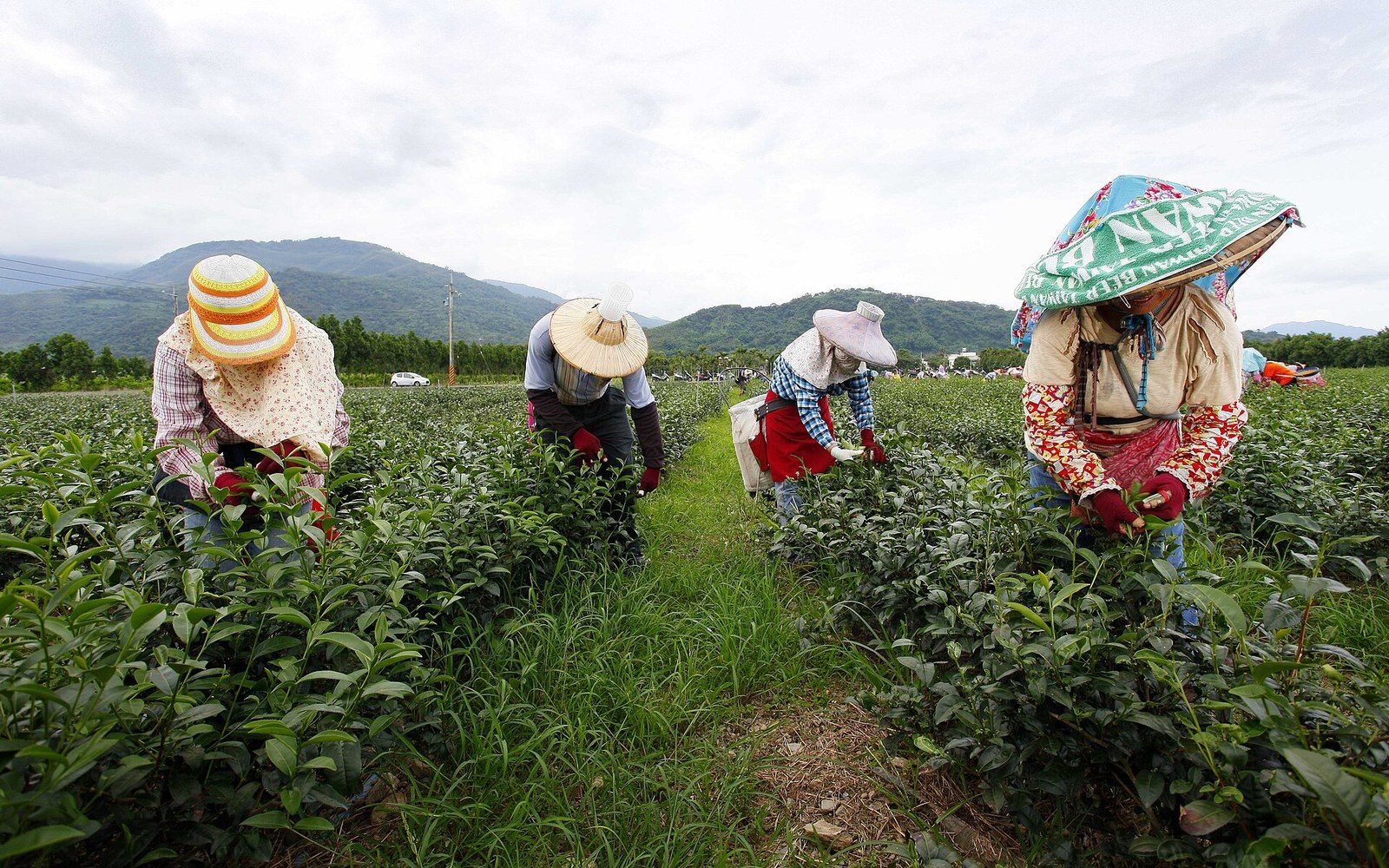
High-mountain tea is its own case. The high-mountain oolong grown across the cloud belt above roughly 1,000 metres in Chiayi County and the Alishan National Scenic Area is already a low-volume, high-care crop. Conventional high-mountain production is not analogous to a wheat prairie: planting density is low, slopes are steep, and quality rather than yield has always been the driving commercial variable. Where organic certification has been adopted among growers in the Alishan range, the reported yield effects have been modest and often secondary to the price premium that certification can support. This is one category of agriculture where the yield-gap argument carries its least weight, because neither the conventional nor the organic system was ever optimised for maximum yield.

The methodology problem
The comparison is genuinely contested on how it is constructed. The annual audit that maintains certification is a document of practice — it confirms that the system conforms to its standard, but it does not control the experimental variables that a rigorous agronomic trial would control. Farm-level comparisons between organic and conventional operations confound a dozen factors simultaneously: soil history, scale, farmer skill, market access, and the stage of the conversion period on the organic side.
The three-year conversion is itself a yield issue that the headline figures often handle clumsily. During the conversion period, a farm operates to organic standards — no synthetic pesticides, no synthetic fertilisers — but sells its crop at conventional prices, because it cannot yet carry the certified label. Yields in this window are often at their lowest: the soil biology is adjusting, the weed seed bank left from previous practice may be expressing itself, and the management toolkit is newly constrained. Yields recorded during conversion pull down organic averages, yet a fully transitioned farm with fifteen years of organic soil management behind it may perform very differently. Most meta-analyses do not cleanly separate these cases.
The choice of conventional comparator matters just as much. Comparing organic wheat to the highest-performing conventionally bred, synthetically fertilised, fungicide-treated wheat variety will produce a large gap. Comparing it to a moderately managed conventional operation on similar land produces a smaller one. IFOAM — the umbrella body that sets the international principles of organic farming — argues consistently that the relevant comparison for policy purposes should be the realistic alternative, not the theoretical maximum, and that comparisons should account for the environmental costs embodied in the conventional yield being measured.
The residue testing and traceability machinery built into organic certification creates a paper trail that, paradoxically, makes organic farms more legible to researchers. The mass-balance records and lot-level documentation required for certification mean that organic yield data is often more precisely documented than equivalent conventional data gathered through surveys. Whether that difference biases the comparisons — and in which direction — is an open methodological question.
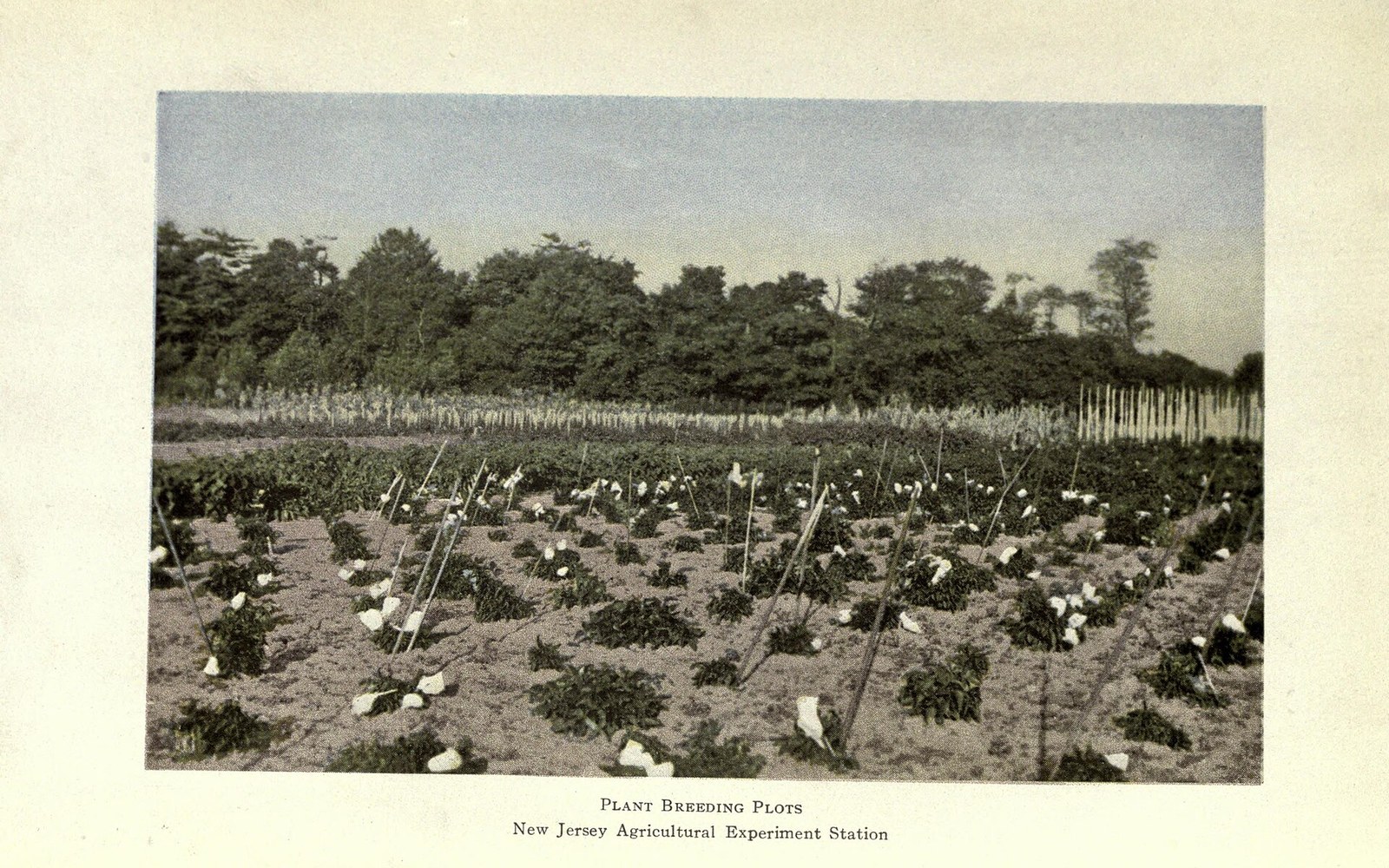
A 2021 review published by the Research Institute of Organic Agriculture (FiBL) ↗ tracking long-running field trials, including the Rodale Institute's Farming Systems Trial in Pennsylvania, found that after an initial decline through conversion, organic cereal yields in those trials stabilised at between 70 and 85 percent of conventional yields — a gap, but a bounded one, and one achieved with substantially lower energy inputs. The same review noted that in drought years, organic plots in several trials outperformed their conventional counterparts, suggesting that the soil organic matter accumulated under organic management may buffer yield against climate stress in ways that do not show up in average comparisons.
The gap is real. It is also variable, context-dependent, system-dependent, and sensitive to how the comparison is set up. The honest answer to the question of how large it is begins with: it depends entirely on what you are growing, where, and what you are comparing it to.