A list of what may still be used
The permitted-substance list is not a blank page
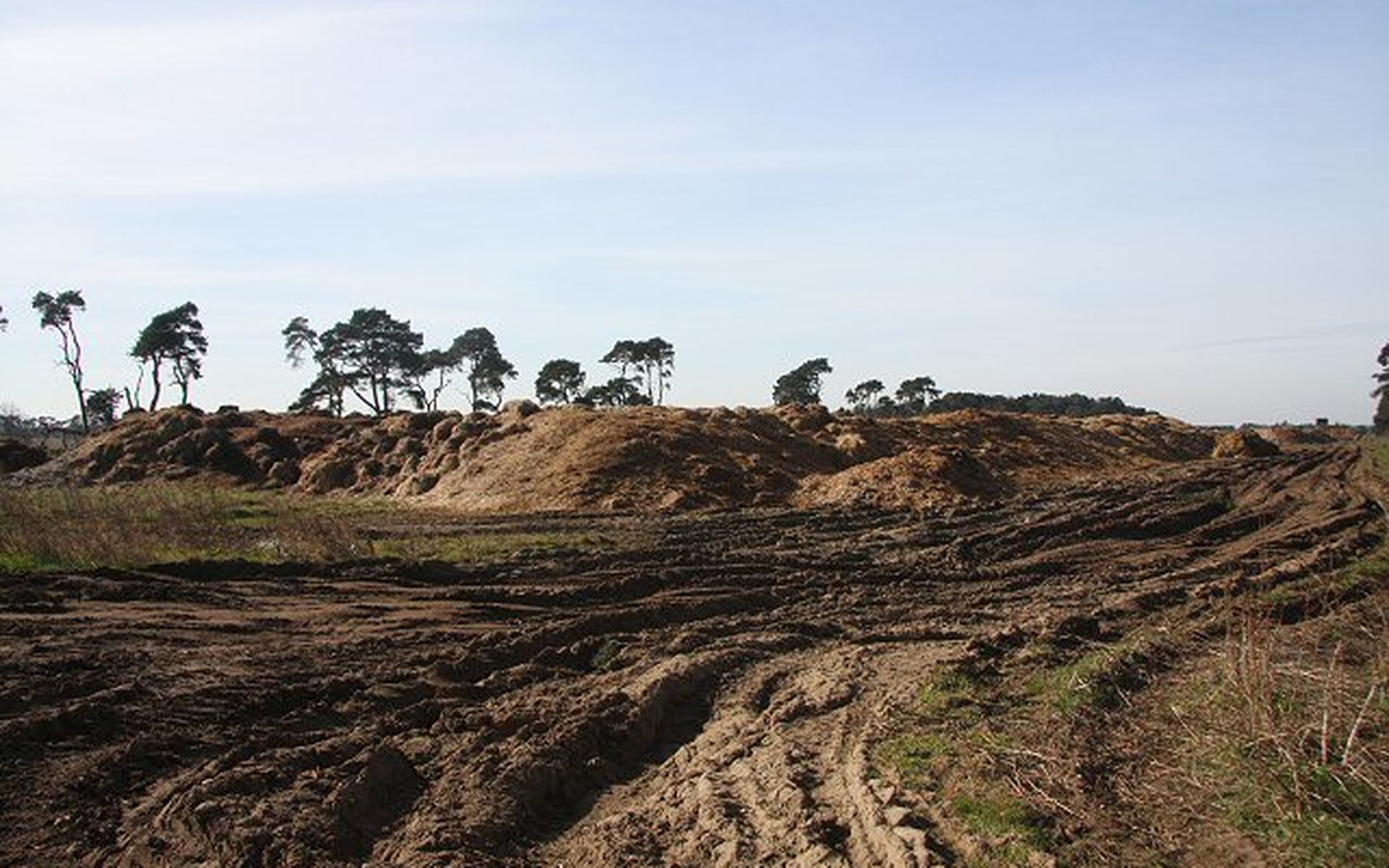
Organic certification does not mean nothing is applied to the land. It means that what is applied must appear on a permitted-substance list — a register of inputs reviewed and approved under a specific regulatory framework, which is a fundamentally different claim from "chemical-free." The list is real, published and enforceable, and understanding it is the only way to read a label honestly.
Every major framework produces its own version. The USDA National Organic Program ↗ codifies permitted and prohibited substances in 7 C.F.R. Part 205, dividing them into a National List of allowed synthetics and prohibited naturals — because not everything natural is allowed, and a narrow set of synthetics are. The EU Organic Regulation, consolidated and updated as Regulation (EU) 2018/848, carries its own annexes of approved inputs. Taiwan's Organic Agriculture Promotion Act, passed in 2018, established equivalent domestic lists administered through the Council of Agriculture. Three different rulebooks, but the architecture is the same in each: permission is the exception, not the rule, and every exception must be justified.
The lists cover four broad categories: fertilisers and soil conditioners, pest-control substances, plant-protection products, and cleaning agents used on equipment or storage. Within each, substances are often permitted with conditions — a minimum dilution, a mandatory documentation trail, a restriction on timing relative to harvest. Being on the list is necessary; it is not sufficient on its own.
Copper: the oldest argument on the list
Of all the substances on these registers, copper compounds carry the longest and most contested history. Copper sulphate mixed with lime — Bordeaux mixture — has been used on grapevines and potatoes since the 1880s, predating the synthetic-chemistry era that organic production was partly defined against. It remains permitted under every major organic framework. It is also, unambiguously, a heavy metal that accumulates in soil because it does not degrade.
The European Food Safety Authority and the European Commission have revisited copper's status repeatedly. A 2018 implementing regulation capped permitted copper applications in the EU at 28 kilograms per hectare over seven years — approximately four kilograms per hectare per year — down from earlier limits. The reasoning was explicit: fungal diseases ↗ in grapes, hops, stone fruits and potatoes present genuine control problems for which no fully effective substitute yet exists, while long-term copper loading in soil damages earthworms and suppresses microbial diversity. The cap represents a managed compromise rather than a resolution.
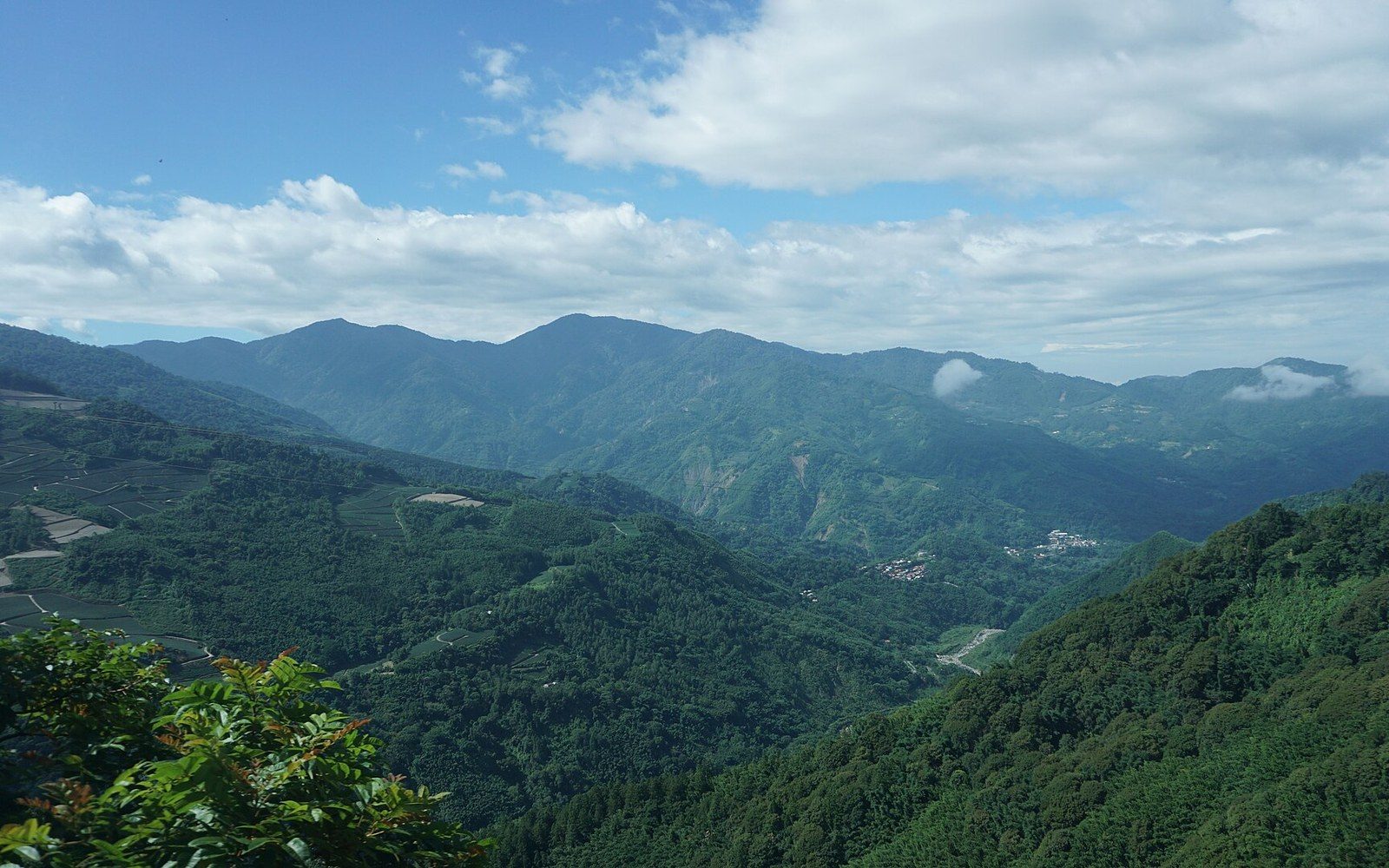
In a high-altitude growing environment such as the Alishan range in Chiayi County, the relevance is direct. High-mountain oolong grown above 1,000 metres sits inside a persistent cloud belt, and that moisture creates pressure from fungal pathogens — grey mould, anthracnose — that copper-based products are used to address. Tea gardens on these slopes operate under the same permitted-substance logic as wine regions in Burgundy or potato farms in Ireland: copper is available as a tool, its use must be documented, and it cannot exceed the threshold set by the certifying framework under which the grower is registered.

This is where traceability and the annual audit intersect. A certification body reviewing a tea garden's inputs file is not only checking that listed substances were used. It is checking that the quantities recorded are plausible against the area farmed — the mass-balance test — and that the copper applied stayed within the permitted ceiling. The file is the argument; the inspection is the challenge to it.

What else is on the list, and what is conspicuously off it
Beyond copper, the permitted lists include: plant-based preparations such as pyrethrin (derived from chrysanthemum flowers, permitted with restrictions because it is broad-spectrum and toxic to aquatic invertebrates); sulphur, used as a fungicide and acaricide; kaolin clay, applied as a physical barrier against insects; and a range of microbial preparations — Bacillus thuringiensis, for instance, which targets lepidopteran larvae through a protein toxic to them specifically.
Synthetic herbicides are absent entirely from every major framework. Synthetic fungicides — the azole group, strobilurins — are off the list. Soluble synthetic nitrogen fertilisers are prohibited, which is why cover crops and green manures are not optional in organic systems but structurally necessary. The absence of synthetic nitrogen is, in practice, the most consequential constraint on the list, shaping both the agronomy and the economics of organic farming more than any other restriction.
Soil conditioners that are permitted include composted animal manure (with specified maturation periods to limit pathogen risk), rock phosphate, wood ash and certain algae-based preparations. Each carries conditions in the regulation annexes, and each requires documentation. Even water-soluble boron — permitted in trace quantities for deficiency correction — must appear in the input log if it is used.
Reading the list against the label
What a permitted-substance list confirms, ultimately, is that organic certification is a systems audit rather than a purity test. The auditor is assessing whether the inputs recorded match the list, whether the quantities are within the allowed limits, whether the documentation is internally consistent, and whether the annual inspection catches any discrepancy between the file and what can be observed in the field or the store.
Residue testing provides a partial check on the paperwork. If a certified crop tests positive for a synthetic compound not on the permitted list, that is a finding — but absence of a detection is not proof of perfect compliance, because testing covers a sample rather than the whole. The paper record and the physical inspection remain the primary controls.
For someone reading a label on a packet of high-mountain oolong from the Alishan National Scenic Area, the permitted-substance list is the specific thing the certificate is vouching for. Not that no inputs were used. Not that the soil is pristine. That the inputs used were from the approved register, in documented quantities, reviewed by an accredited body, and that the certification was not withdrawn. That is a meaningful claim, and it is also a precise and limited one. The list is public. The ceiling on copper is published. The whole structure is auditable by anyone willing to read the regulation.