Nitrogen without a bag
The substitution the standard actually requires
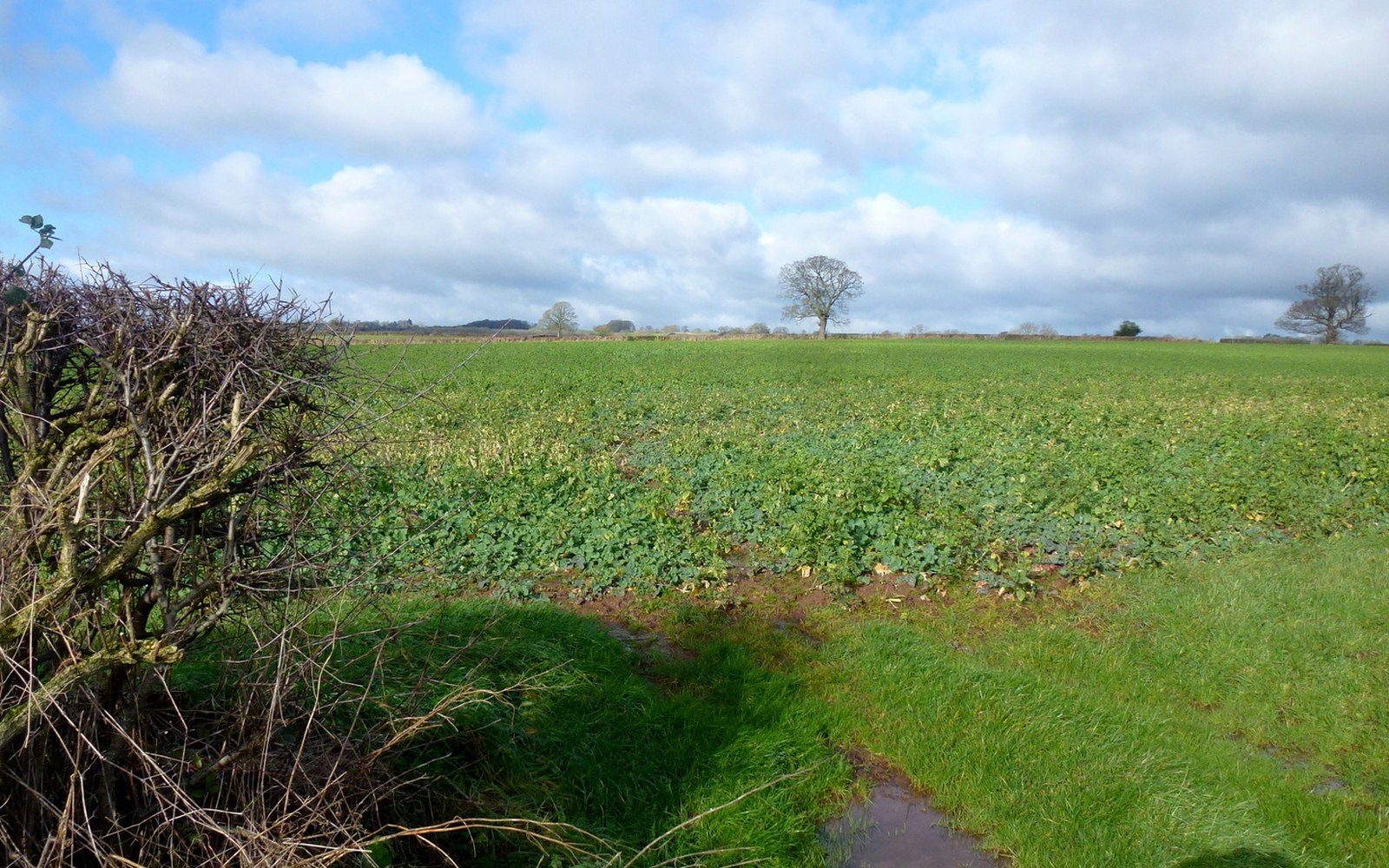
Organic certification does not simply prohibit synthetic nitrogen fertiliser and leave the gap unfilled — it requires that the gap be filled another way. The method the standard points to is biological nitrogen fixation: a process carried out not by the farmer, but by bacteria living in nodules on the roots of leguminous plants. Understanding what that means in practice explains much of what makes organic conversion genuinely demanding rather than merely administrative.
Synthetic nitrogen fertiliser — urea, ammonium nitrate, calcium ammonium nitrate — is manufactured by the Haber-Bosch process, which fixes atmospheric nitrogen at high temperature and pressure using fossil fuel as both feedstock and energy source. The Haber-Bosch process ↗ is estimated to underpin roughly half of global food production at current population levels. Removing it from a farming system means replacing what it supplied: available nitrogen, delivered on demand, at a rate the farmer controls.
The organic alternative works through a different logic entirely. Rhizobium bacteria colonise the root nodules of legumes — clovers, vetches, field beans, soybeans, lupins — and convert atmospheric nitrogen gas into ammonia the plant can use. When those plants are cut and incorporated into the soil as green manure, the nitrogen in their tissues becomes available to the following crop as the organic matter decomposes. The farmer is, in effect, growing a nitrogen source rather than buying one. The USDA National Organic Program ↗ and the EU organic regulation both allow this and actively require that nitrogen come from such biological or organic sources rather than from synthetic manufacture.
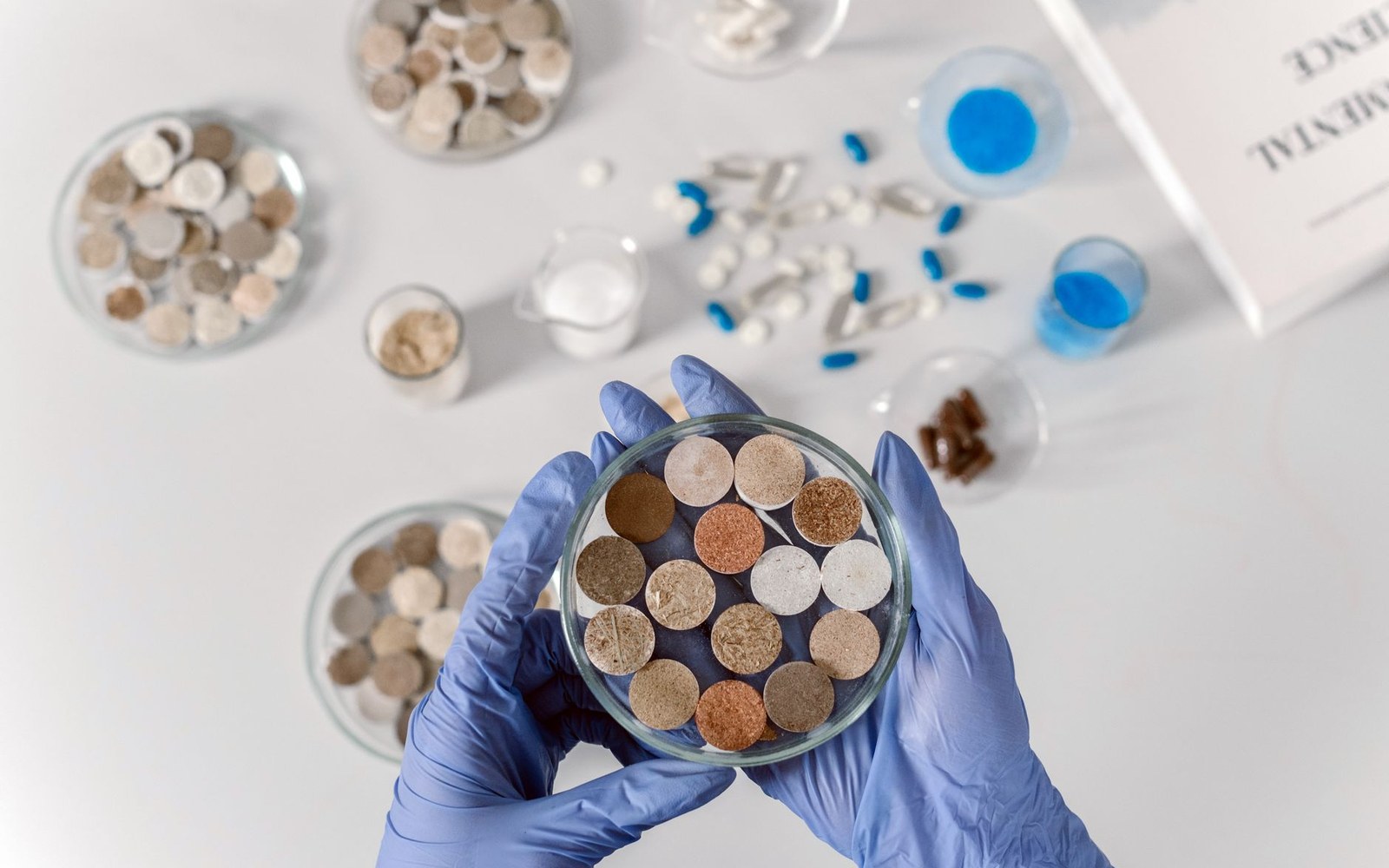
What the standard asks for is not occasional use of a cover crop but a designed rotation. A legume phase — a full growing season or more spent in clover or vetch — precedes a demanding cash crop. Residues are incorporated, not removed. The timing of incorporation matters: turn green manure in too early and nitrogen leaches before the crop can use it; too late and it ties up soil nitrogen briefly as it breaks down. None of this is governed by a dial the way a fertiliser spreader is. It requires attentiveness to soil temperature, moisture, and crop sequence, and those conditions vary from field to field.
On the high-mountain slopes of Chiayi County, where high-mountain oolong is grown on terraces above a thousand metres, the practical challenges multiply. Steep gradients accelerate runoff and soil erosion. The cloud belt that gives Alishan tea its character also means soils stay wet for long periods, which can slow the decomposition of incorporated plant matter and delay nitrogen release. Legume roots need sufficient warmth to sustain active Rhizobium colonies; at altitude, the growing window is shorter. Farmers converting these plots to organic management must work within those constraints, which is part of why the three-year conversion period exists — not to punish farms but to allow time for the soil biology to adjust and for the farmer to learn what the land will do.
The permitted-substance lists that certification bodies apply — whether under IFOAM's norms or a national scheme — do allow supplementary inputs: composted manure, rock phosphate, certain mineral amendments. But they consistently place biological fixation at the centre of the nitrogen strategy, because it is the only mechanism that genuinely closes the cycle rather than substituting one purchased input for another. A certification inspector reviewing a farm's records will look not just at what inputs were bought but at whether the rotation makes biological sense: does the crop sequence show a legume phase? Are cover-crop incorporation dates logged? The paperwork reflects the agronomy — or it should.
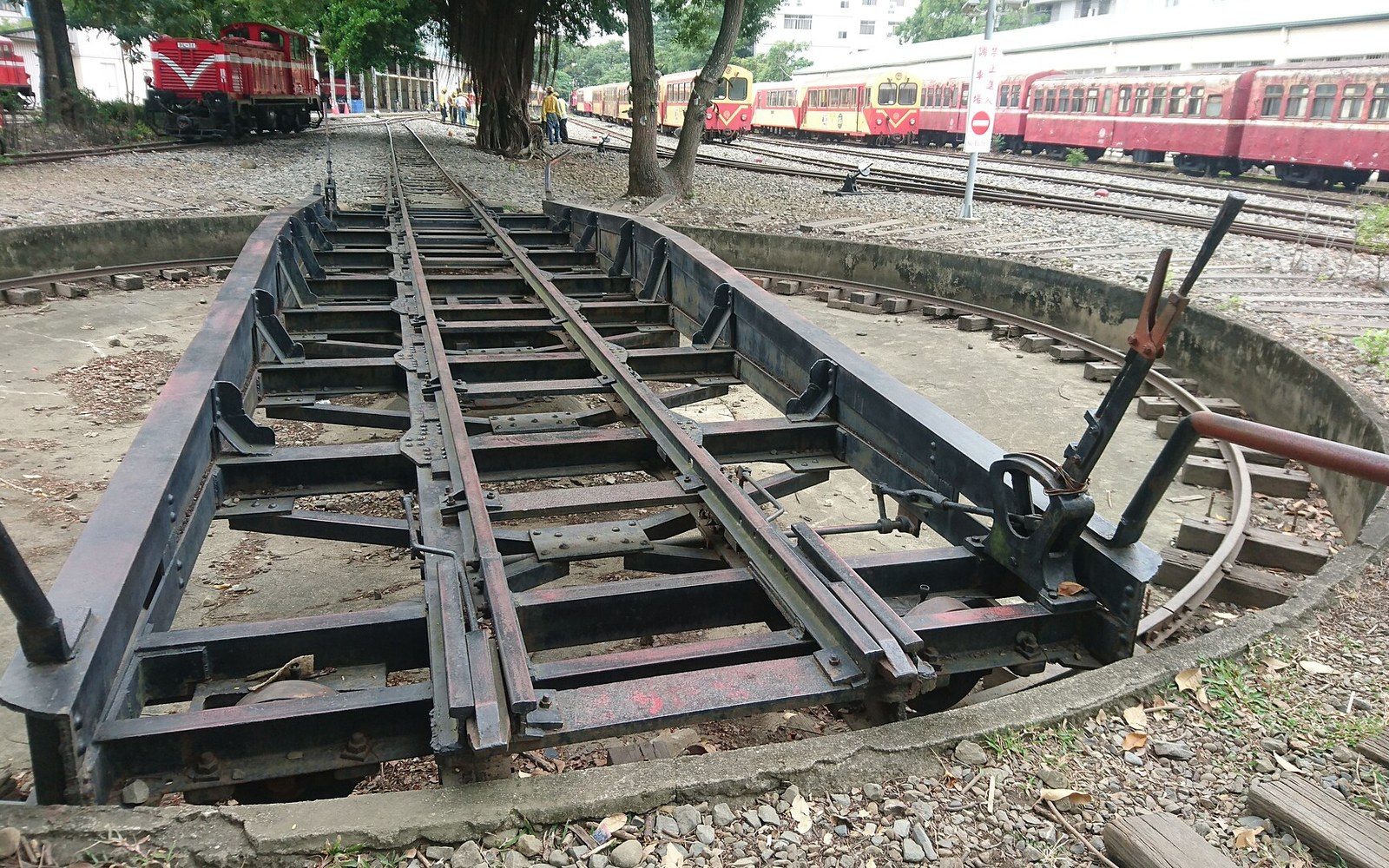
The residue testing that sometimes follows an annual audit provides one check on whether synthetic nitrogen was slipping in through unofficial channels, though nitrogen itself leaves no distinguishable chemical signature; the audit relies primarily on the farm's own records and on the agronomic plausibility of the rotation described. That is both the strength and the limit of the system: it demands that the biology be real, and trusts the file to prove it.