What the studies actually say
Meta-analyses report differences in some secondary metabolites and in pesticide residues, and much smaller differences in the macronutrients people assume.

Meta-analyses confirm some real differences between organic and conventional produce — and just as firmly dismantle the ones most people expect.
The Evidence Base Is Larger Than the Headlines Suggest
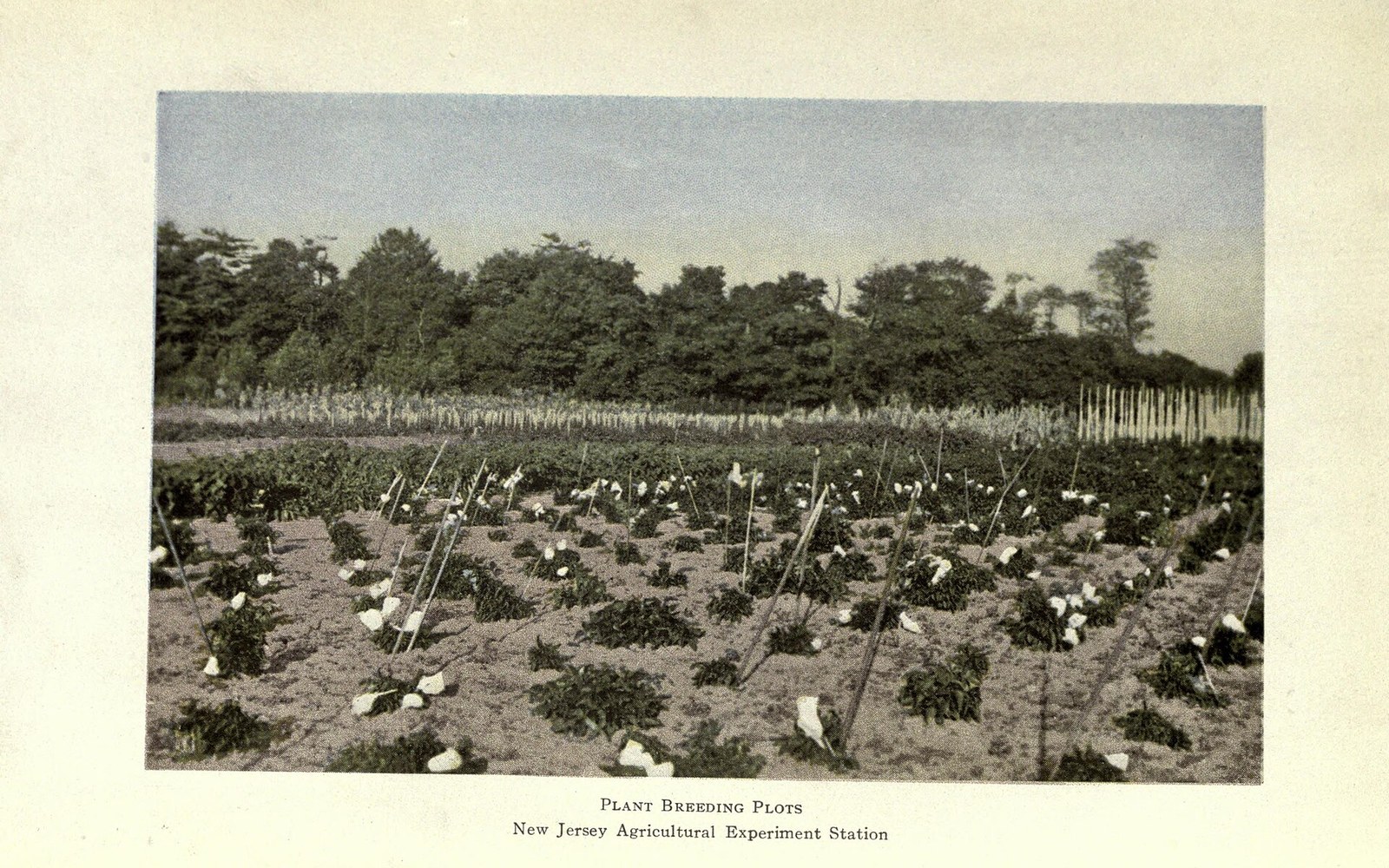
Comparing organic and conventional food in a controlled, reproducible way is genuinely hard. Soil type, climate, variety, storage time, cooking method and harvest date all shift the composition of a crop before any farming-system variable gets a chance to show up. A single study comparing one farm's organic carrots to one farm's conventional carrots proves almost nothing. What does carry weight is the meta-analysis — a statistical pooling of dozens or hundreds of individual studies, which averages out local variation and tests whether an effect is real or coincidental.
Three meta-analyses have shaped the current debate more than any others. Carlo Leifert's team at Newcastle University published in the British Journal of Nutrition in 2014, pooling 343 studies on crops and crop-based foods. A companion paper on dairy and meat followed in 2016. Earlier, in 2012, Stanford University's Center for Health Policy produced a meta-analysis in the Annals of Internal Medicine — a study specifically designed to answer whether the nutritional differences were clinically meaningful. The findings of all three are usefully different, and none of them says what either camp in the organic debate typically wants to hear.
Where the Differences Are Real
The 2014 Newcastle meta-analysis found that organically grown crops contained, on average, substantially higher concentrations of certain polyphenols and other antioxidant compounds — flavonoids, stilbenes, phenolic acids. The difference was not small in relative terms: across the studies, some antioxidant classes ran around 20 to 40 percent higher in organic samples. The probable mechanism is well understood. Plants under herbivore or fungal pressure produce these secondary metabolites as a chemical defence; when synthetic pesticides remove that pressure, production falls. Organic crops, managing pests without broad-spectrum chemistry, retain the stress response. This is sometimes called the permitted-substances effect in reverse — the absence of an input as a driver of composition.
The Newcastle group's 2016 companion paper found higher concentrations of omega-3 fatty acids in organic dairy and meat, likely traceable to pasture-based feeding requirements that organic standards tend to enforce more consistently than conventional systems do.
On pesticide residues, the picture is unambiguous and consistent across virtually every study that has looked. Organically grown produce carries detectably lower residue loads. The Stanford 2012 analysis found that the risk of detectable pesticide residue was 38 percent for conventional produce against 7 percent for organic. That is a real and reproducible difference, though the Stanford authors were careful to note that most conventional residues in their dataset fell within regulatory safety limits. Residue testing is the one corner of the organic-versus-conventional comparison where the chemistry is simple: certified ground is managed without synthetic pesticide application, and the soil's breakdown of prior residues is part of what the three-year conversion period is designed to ensure.

Where the Differences Are Not What People Assume
The nutrients most people associate with food quality — protein, carbohydrates, vitamin C, calcium, iron, zinc — show negligible or inconsistent differences between organic and conventional in the meta-analysis literature. The Stanford 2012 paper, which examined 237 studies, including 17 human studies and 223 studies of nutrient content, found no strong evidence of meaningfully superior vitamin or mineral content in organic produce. Where differences appeared in individual studies, they did not survive pooling and tended to point in inconsistent directions.
This matters because the public conversation around organic food has long centred on nutritional superiority as a primary justification. What the evidence actually supports is a more precise claim: differences in a specific sub-class of plant chemistry, and a consistent reduction in one category of contaminant. A broader claim about overall nutritional density is not what the studies demonstrate.
Protein content is particularly telling. Nitrogen availability drives protein synthesis in plants, and conventional systems typically supply nitrogen at higher rates. Organic systems, relying on legume cover crops, green manures and slower-release soil biology, tend to constrain nitrogen availability, which can suppress protein accumulation. Some studies find marginally lower protein in organic grain for exactly this reason — an ironic inversion of the usual expectation.
What the Studies Cannot Tell You
Meta-analyses pool what has been measured, and what has been measured reflects what researchers thought worth measuring when they designed their studies. The secondary metabolite literature is still expanding: many compounds identified in organically grown produce have not been studied long enough, or in sufficiently large human cohorts, to establish whether higher dietary intake produces measurable effects in people. The Newcastle authors were explicit about this in their 2014 paper. Identifying a higher concentration of a polyphenol in an organic apple is not the same as demonstrating that eating organic apples changes any health outcome. The pathway from composition to effect in humans is long, individually variable and still incompletely mapped.
There is also a confounding problem that no meta-analysis fully resolves: people who buy organic food systematically differ from those who do not in ways that affect health outcomes independently. Diet variety, income, exercise, healthcare access and a dozen other variables travel alongside organic purchasing behaviour in most populations, making epidemiological comparisons between organic and non-organic consumers nearly impossible to interpret cleanly.
The Alishan Context
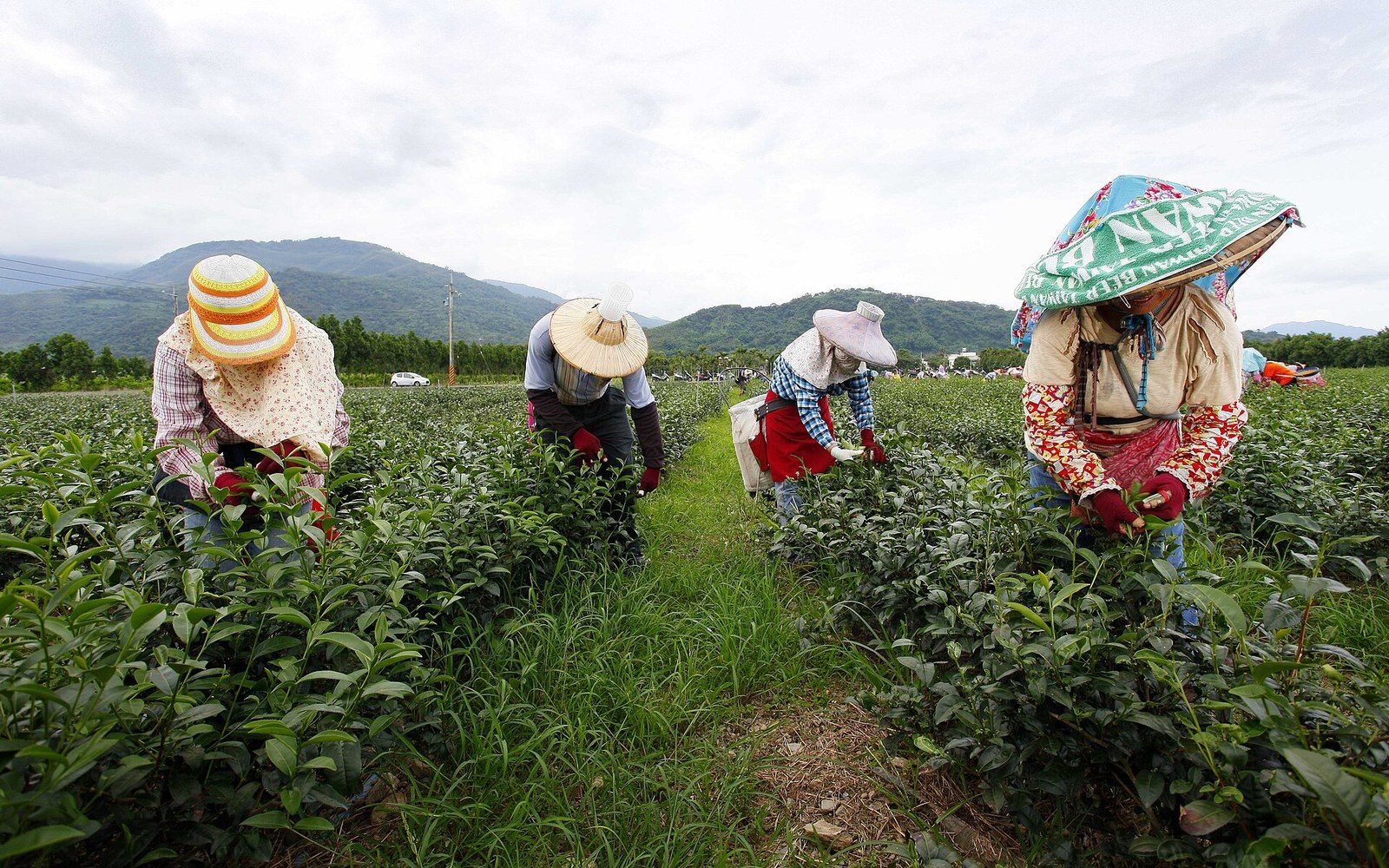
High-mountain oolong grown in the cloud belt above Alishan already carries some of the conditions that meta-analysis links to elevated secondary metabolite concentrations: lower temperatures, higher UV exposure, and significant pest pressure that tea plants counter partly through their own chemistry. Whether certified organic production on these slopes pushes those metabolite levels further than the altitude already does is not a question the current literature answers — trials specifically comparing high-altitude organic and conventional tea under controlled conditions in Taiwan's mountain region have not yet produced a comparable body of peer-reviewed work. What the broader meta-analysis evidence suggests is that the mechanism exists; whether it operates at a scale that survives processing and brewing is a different and largely open question.
The studies, taken together, do not produce a simple verdict. They produce a specific one: certain secondary metabolites run higher, pesticide residues run lower, and the macronutrients people most expect to differ do not reliably differ at all ↗.