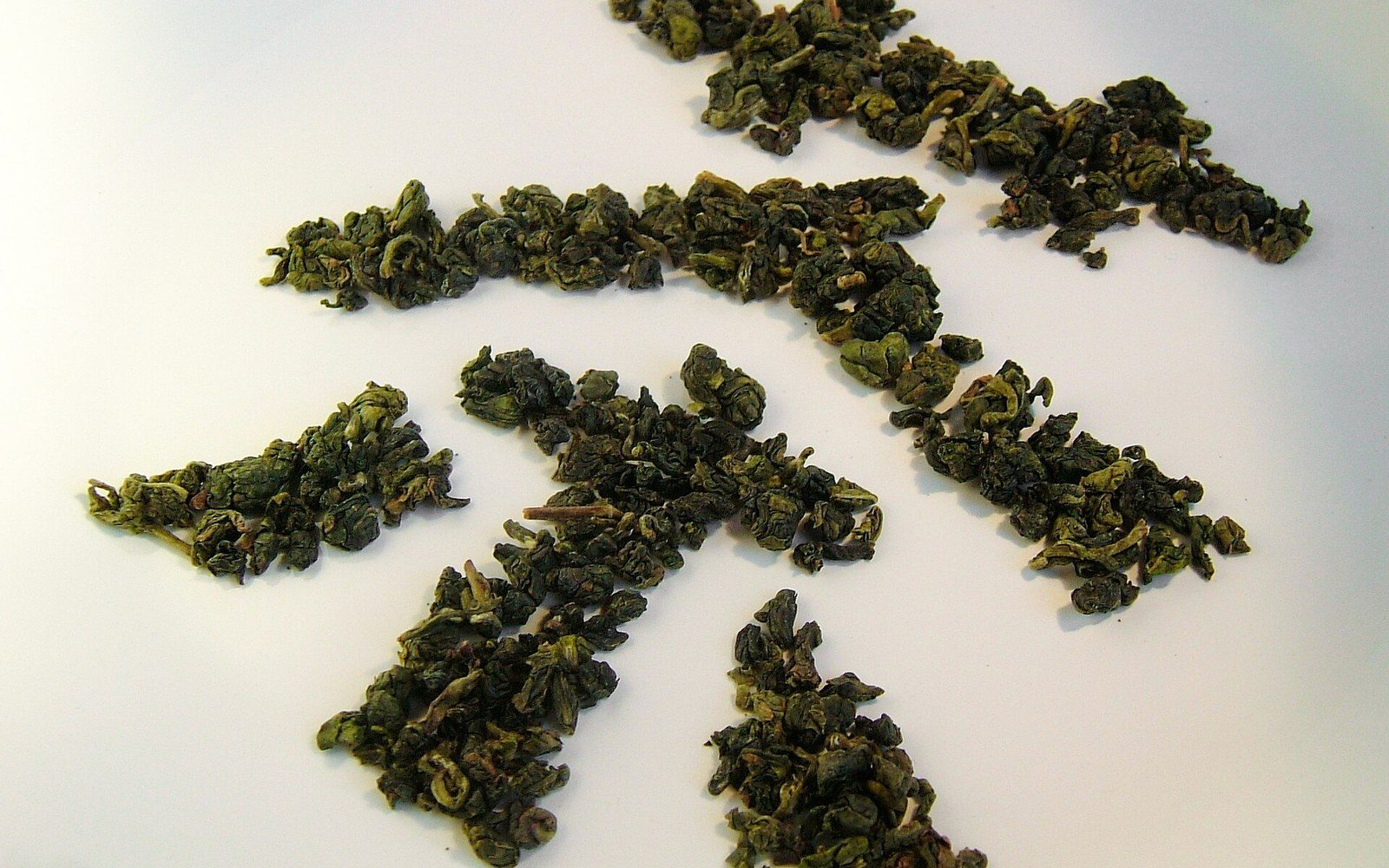
Cloud that arrives on a schedule
The mechanism behind the mist
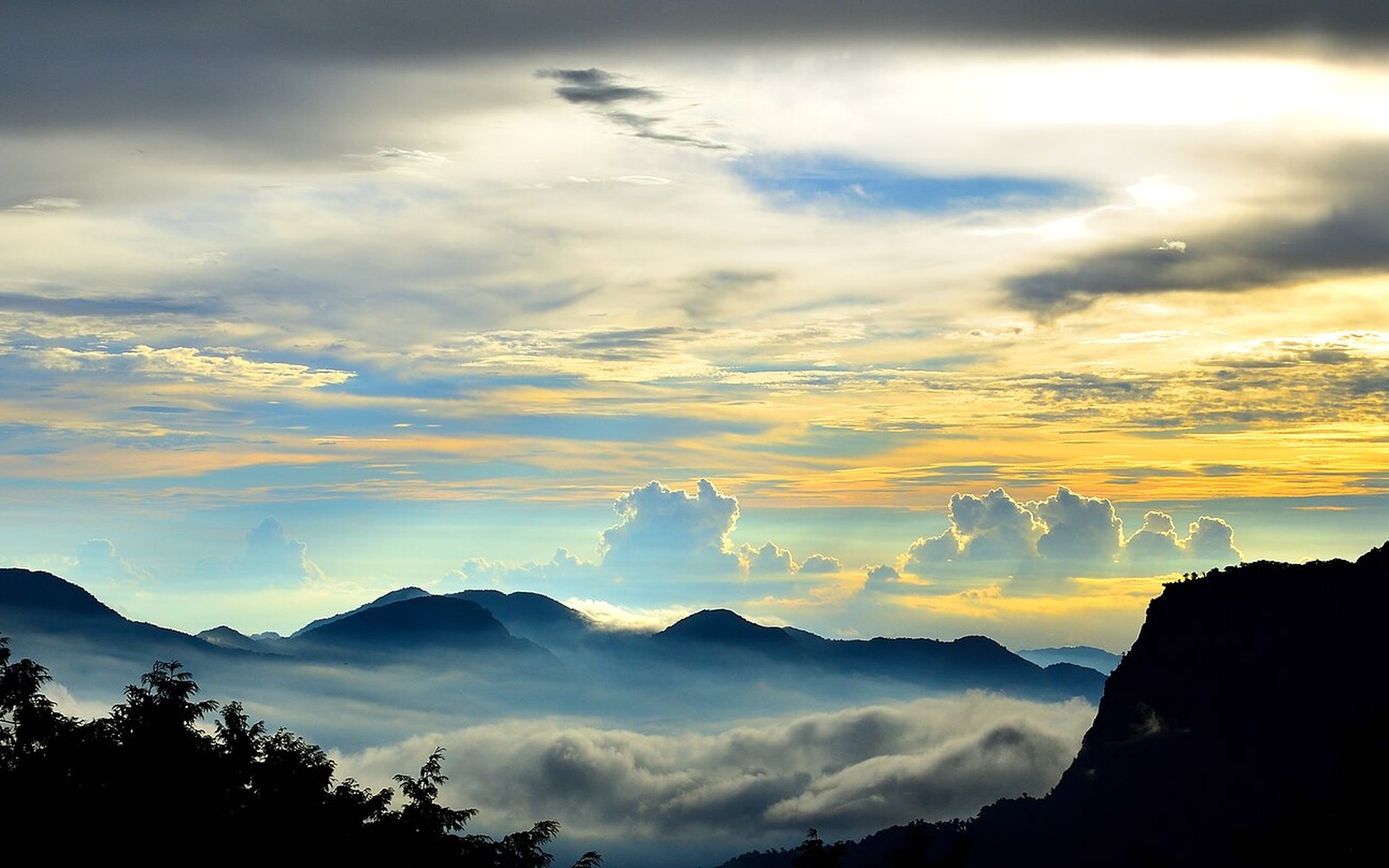
Alishan does not look like farmland from a distance. The ridgeline sits at roughly 2,200 metres above sea level, and for most of the afternoon it disappears entirely behind a wall of white cloud that seems to materialize from nowhere, roll across the valleys between Zhushan and the cedar slopes, and settle until the following morning. Visitors photograph it. Farmers count on it. The distinction matters, because what looks like weather is actually a near-daily physical process — and it is precisely that regularity, not the altitude alone, that makes high-mountain oolong from this part of Chiayi County unlike tea grown lower on the same island.
The process is orographic: as moist air moves inland from the Taiwan Strait and the Pacific, it rises against the western flank of the Central Mountain Range. Rising air cools at a predictable rate — roughly 0.6 °C per hundred metres under moist conditions, a figure known as the saturated adiabatic lapse rate — and when the temperature drops to the dew point, water vapour condenses into cloud. Orographic lift ↗ is not unique to Taiwan, but the combination of island geography, warm ocean currents, and the abrupt rise of peaks reaching above 2,000 metres within thirty kilometres of the coast concentrates the effect with unusual intensity. At Alishan elevations, cloud formation becomes a daily event rather than a seasonal one, arriving most reliably in the afternoon between spring and autumn.
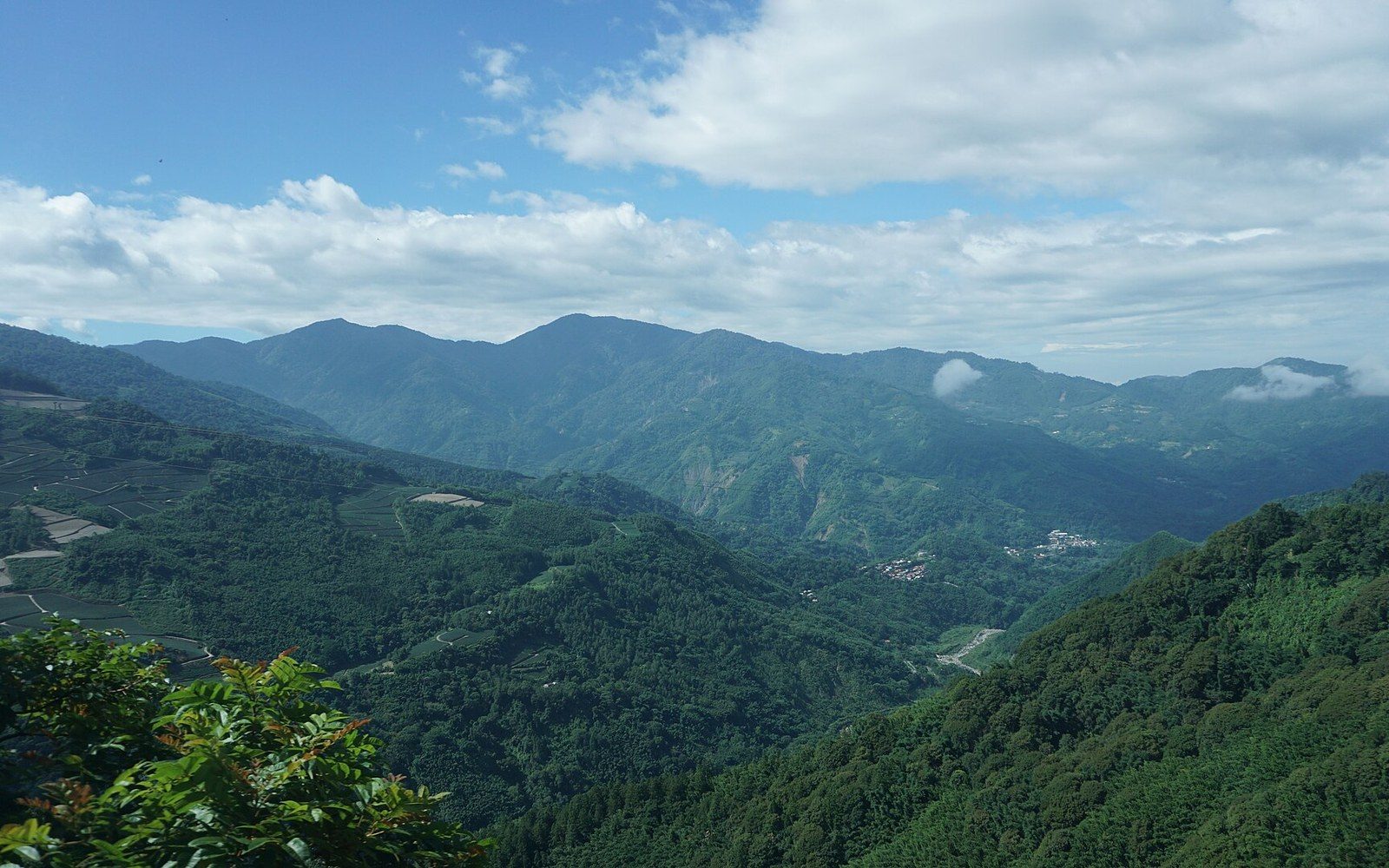
The cloud belt is not uniform. Meteorological records from stations maintained by Taiwan's Central Weather Administration show that the Alishan area — one of the country's official high-altitude weather observation points — logs on average more than two hundred foggy days per year, with the density varying by slope aspect and local topography. The north- and west-facing slopes of the Alishan National Scenic Area tend to catch the incoming moisture earlier; east-facing gardens on the same ridge may sit in clearer air until mid-afternoon. That micro-variation is part of why teas from gardens separated by a single valley can differ noticeably in flavour, and why farmers who understand the cloud's daily movement treat plot selection as agronomically serious rather than merely scenic.
What the cloud actually does to the plant
Three things happen inside the cloud belt that alter how tea grows, and all three are agronomic rather than aesthetic.
First, diffusion of light. Direct sunlight drives rapid photosynthesis and pushes the plant to convert sugars into structural material quickly. Diffuse light, filtered through cloud and mist, slows that process. The leaf stays in a kind of extended adolescence, accumulating amino acids — theanine in particular — rather than shunting resources into cellulose and stem. Theanine is a compound associated with what tea tasters call umami depth and a long finish; it is also a precursor to certain aromatic compounds that develop during the partial oxidation that defines oolong processing. The cloud is not merely shading the leaf; it is shaping its chemistry over weeks, long before the plucking basket arrives.
Second, temperature moderation. At sea level, Taiwan's subtropical summers bring daily highs well above 30 °C. At Alishan elevations, the cloud intercepts solar radiation in the afternoon and holds overnight temperatures above what a clear-sky high-altitude site would reach. The result is a compressed diurnal temperature swing — the gap between the day's warmest and coolest hours. This is, agronomically, the opposite of what is often said about high-altitude tea: many discussions emphasise wide temperature swings as a quality driver, and in some mountain growing regions that is accurate. At Alishan, the cloud narrows the swing rather than widening it, but it does so in a way that prolongs the slow accumulation of precursor compounds rather than stressing the plant into defensive responses. The chemistry differs from, say, a Darjeeling first flush growing on a clear Himalayan ridge; the cup differs accordingly.
Third, humidity. Persistent humidity around the leaf reduces transpiration — the plant's loss of water vapour — which means the leaf stays turgid and metabolically active for longer between rains. For the grower, it also changes the soil's moisture regime: cloud-zone soils on the Alishan slopes retain moisture longer and require less irrigation, which matters both for the economics of farming at altitude and for the organic certification framework, since irrigation water sources and their quality are part of the inputs a certifier examines.
The clock inside the calendar
The cloud does not arrive on a strict clock — weather is not a train — but it follows a rhythm reliable enough that experienced growers in the Fenqihu area and on the higher ridges above it plan picking windows around it. The first flush in spring tends to benefit from clearer mornings before the cloud builds; leaves plucked in clear early-morning air carry less surface moisture, which matters for the withering stage of oolong production. Afternoon picking in cloud-saturated conditions produces a different starting material and demands different timing in the processing room to avoid over-oxidation.
This relationship between cloud timing and processing is one of the reasons high-mountain oolong from Alishan is described by tea scholars as a living product with real vintage variation, not a commodity whose character is set at the factory. A late spring with cloud arriving earlier than usual changes the picking window; a dry autumn with fewer foggy days concentrates the leaf differently. These are not abstractions. Taiwan's Council of Agriculture has long recognised altitude-specific growing conditions as a formal basis for geographic designation in its agricultural classification frameworks, and the Alishan National Scenic Area ↗ authority acknowledges the cloud belt's ecological function in its own land-management documentation — the mist forest that covers the upper ridges depends on the same moisture the tea gardens share.
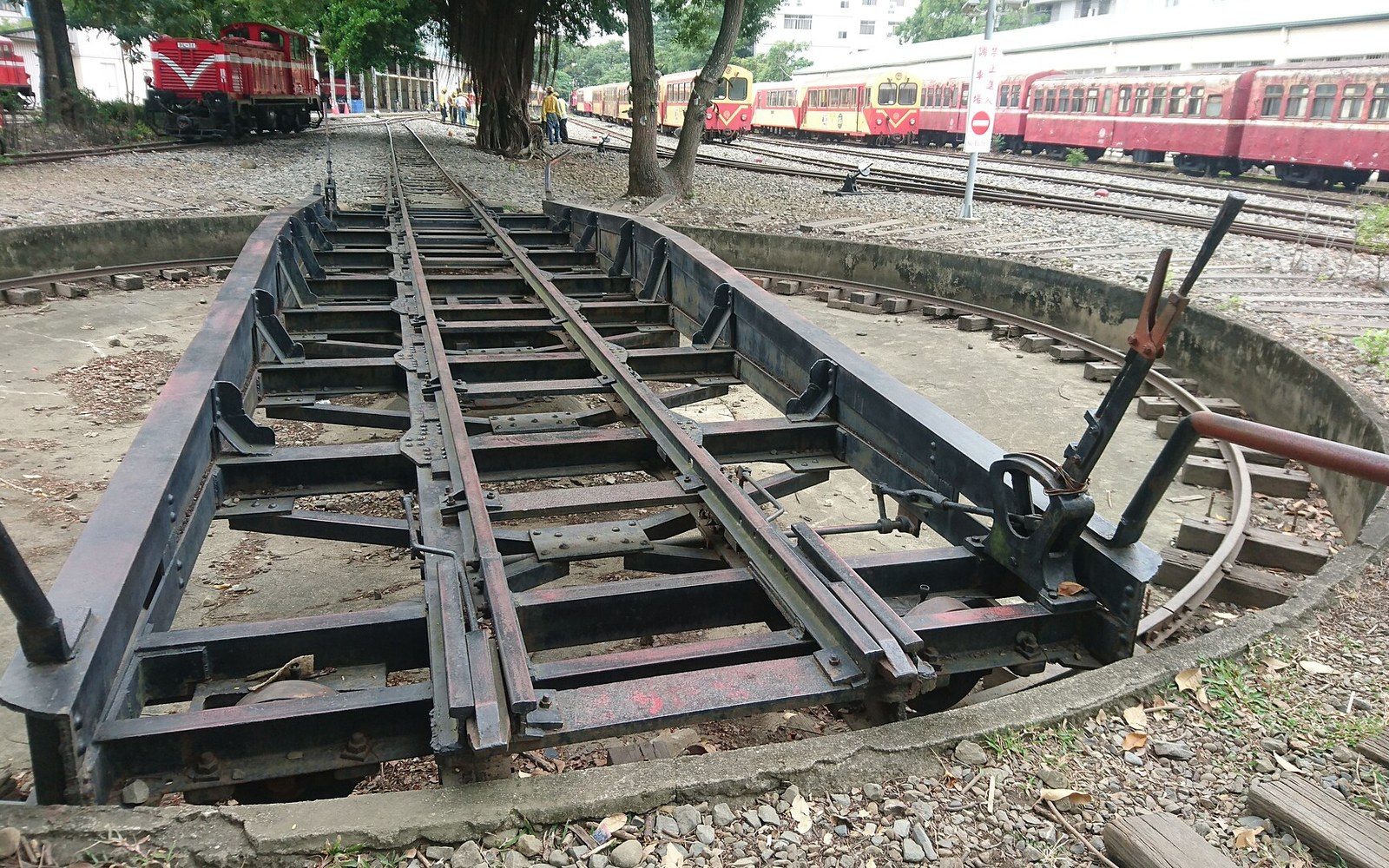
The connection between the cloud and the old-growth cypress and cedar that still stand on the upper slopes is not incidental. Those trees survived partly because the persistent humidity suppresses the fire risk that cleared lower forests; the Alishan Forest Railway, built from 1912, extracted timber from elevations where the cloud allowed the trees to grow enormous precisely because it slowed their growth and held their moisture. The railway is gone from active timber work; the cloud remains, doing what it always did.
Reading the label from the mountain
An organic certificate on a packet of high-mountain oolong from Chiayi County tells the reader something specific: that the inputs used in the garden — fertilisers, any pest management — met a permitted-substance standard, that the land has been managed under that standard for at least three years before certification, and that an accredited body conducted an annual inspection of records and traceability. It does not say anything about the cloud.
But the cloud is, in a sense, the prior condition. Without the altitude and its attendant mist belt, the chemical profile that makes Alishan oolong worth certifying — the amino acid accumulation, the particular aromatic precursors, the slow-grown leaf — would not be what it is. The certificate verifies the human choices made in the garden. The orographic lift ↗ that pushes moisture up the western face of the Central Range every afternoon verifies nothing, answers to nobody, and has been doing its work across this ridgeline since long before there were gardens to benefit from it. Both facts belong on the label. Only one of them fits.