A batch has to be followable
Lot coding and mass-balance checks are how an auditor tests that the volume sold matches the volume that could have been grown.
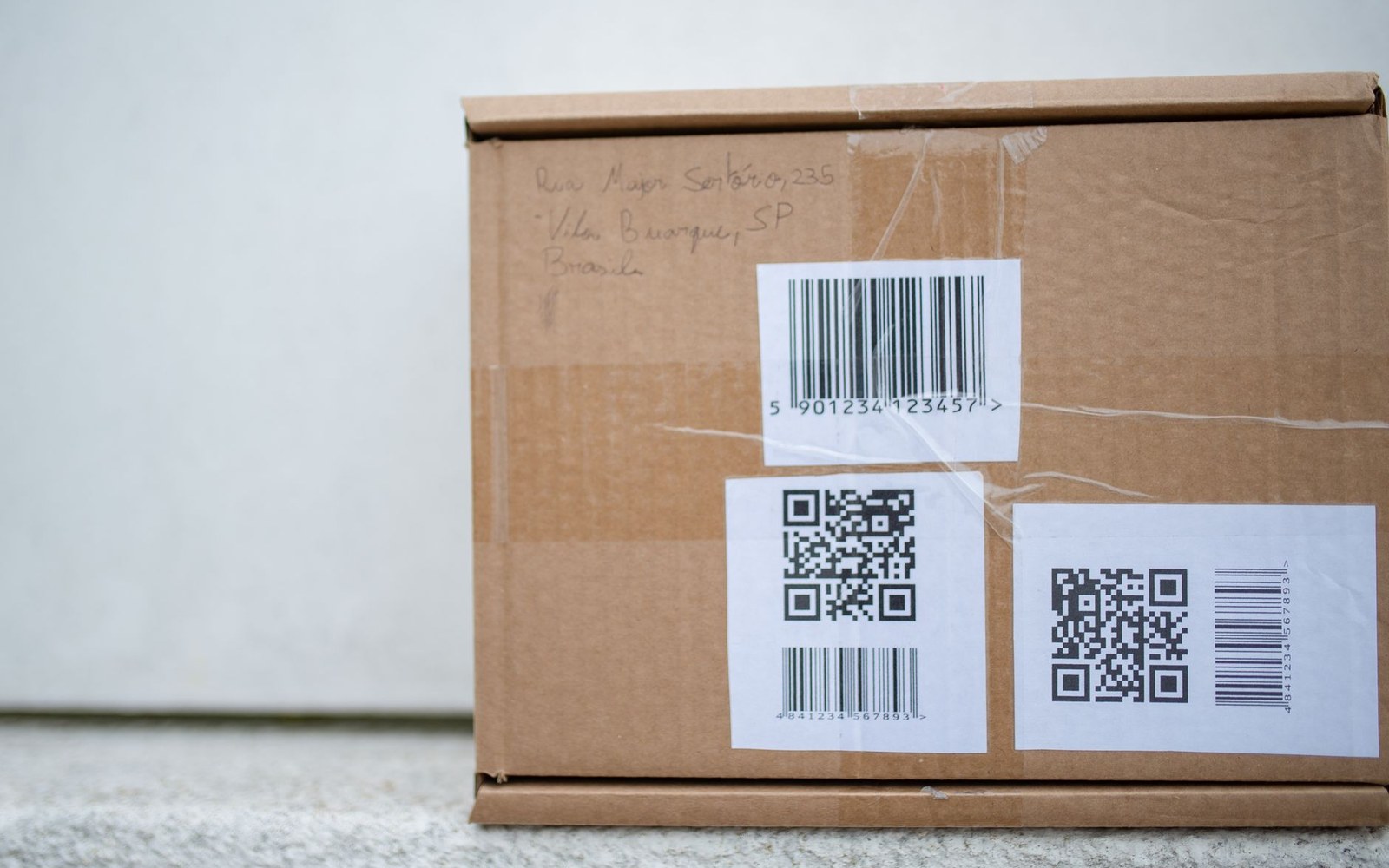
Mass balance and lot coding are not bureaucracy for its own sake — they are how an auditor closes the gap between a certificate and the actual crop.

Paper and product, reconciled
An organic certificate is a claim about a process, not a test result. The inspector cannot taste compliance in a cup of tea or see it in a bag of rice. What they can do is follow the paper: from the field record that says a given area was harvested on a given day, through the weight ticket at the drying stage, through the lot code on the finished product, to the invoice for the buyer. If those numbers tell the same story, the certificate holds. If they diverge, the auditor has a problem to explain.
This chain of documentation is called traceability, and its backbone is the lot code — a number or alphanumeric string assigned to a discrete batch of product at the point of processing or packing. The code does not guarantee organic status by itself. What it does is give the auditor a handle: every movement of that batch, from the weighing floor to the export container, can in principle be retrieved from the records and cross-checked.
The mass-balance test
The arithmetic behind traceability is called mass balance, and it is simpler in concept than in execution. The auditor takes the certified area, applies a plausible yield range for that crop in that season, and arrives at a theoretical maximum tonnage. Then they add up what was actually sold as organic — drawn from invoices, lot records and stock logs. If the sales figure approaches or exceeds the ceiling of what the land could credibly have produced, something is wrong.
IFOAM's Norms for Organic Production and Processing require certification bodies to include mass-balance verification as a core part of their audit procedure. The USDA National Organic Program carries the same principle through 7 CFR Part 205, which mandates that certified operations maintain records sufficient to demonstrate that the quantity of organic product sold does not exceed the quantity produced. The logic is the same in both systems: arithmetic is harder to fake over time than paperwork.
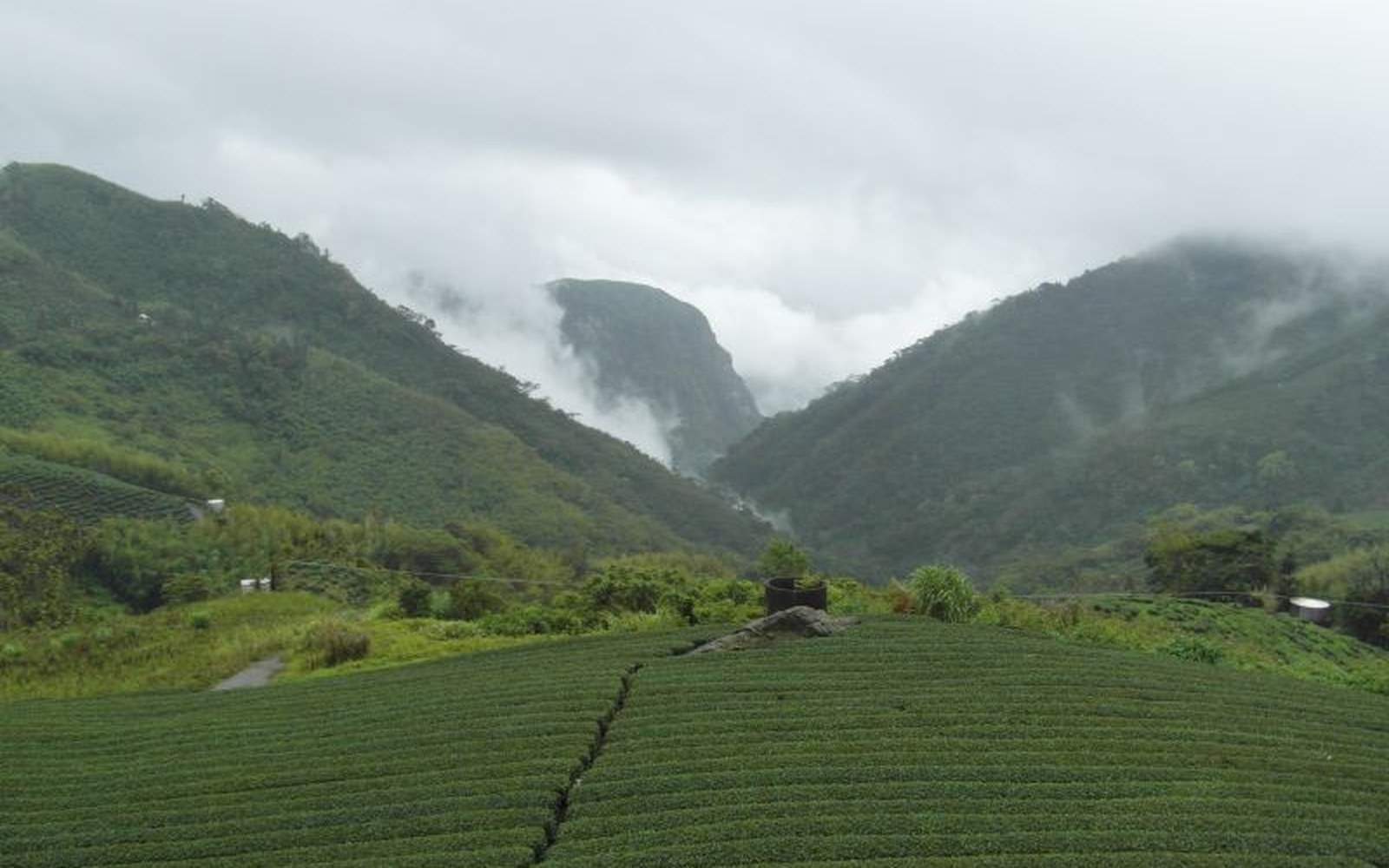
In high-mountain oolong production — tea grown above roughly a thousand metres, including the gardens of the Alishan National Scenic Area in Chiayi County — mass balance carries particular weight. The area available for certified cultivation is physically constrained by the terrain, and the cloud belt that makes the tea distinctive also limits the number of productive flushes per year. A grower claiming output substantially above what the elevation, the area and the season could yield is a grower whose records demand close examination.
Lot coding in practice
A lot code is only as good as the system that generates and tracks it. Gaps in the chain — a batch re-bagged without a new record, a partial carton that appears on neither the input nor the output side of the stock ledger — are exactly what an experienced auditor looks for. The Taiwan Organic Agriculture Promotion Act ↗, which brought domestic rules into closer alignment with international standards after its passage in 2018, requires that certified operators in Taiwan maintain traceability records for at least two years and make them available to the certification body on demand.
Where residue testing is also in play, the lot code becomes the link between a positive detection and its origin — the field, the season, the handler who last touched the product. Without it, a finding floats free of any actionable consequence. With it, an investigator can work backwards through the chain and establish where the contamination entered, which determines whether a withdrawal affects a single consignment or an entire operation's certificate.
The practical lesson for anyone reading a label is that the lot code printed on the pack is not decorative. It is the audit trail compressed to a string of characters, and the mass-balance check is the annual test that the trail adds up.