Chemistry as a check on paperwork
Residue sampling tests whether the file matches the crop, and detections trigger investigation rather than automatic withdrawal.

A residue detection on a certified organic crop does not automatically end that certification — but it does open a file that the auditor cannot close without an explanation.

What the Lab Is Actually Looking For
An organic certificate is a paper trail — input records, inspection reports, signed declarations — and paper can be wrong, incomplete or falsified. Residue sampling is the discipline that runs chemistry against the paperwork. If a grower has done everything the file claims, the field should show it. If it has not, the chemistry tends to say so first.
Testing works by sending a sample of the harvested crop, or a soil or water draw from the certified land, to an accredited laboratory for multi-residue screening. The laboratory is looking for synthetic pesticides, herbicides and fungicides that the permitted substance list excludes from certified production. The detection threshold matters enormously: modern instruments can find a compound at concentrations measured in parts per billion — far below the maximum residue levels set by food-safety authorities for conventional produce. A positive result at that scale could mean fraud, it could mean drift from a neighbouring plot, or it could mean contamination somewhere in a shared handling chain.
That ambiguity is precisely why a detection triggers investigation rather than immediate withdrawal. The USDA National Organic Program ↗ requires that a certified operation be given the opportunity to demonstrate how a residue entered the system before any enforcement action is taken. The European Commission's Regulation (EU) 2018/848 establishes the same principle: authorities investigate the cause, and suspension or decertification follows only where the operator is found responsible through negligence or deliberate application.
What an Investigation Has to Establish
When a detection lands on an auditor's desk, three questions organise the response. First, is the compound consistent with anything on the operation's approved input list — either directly or as a breakdown product of a permitted substance? Second, is there a plausible route of entry that the operator did not control, such as aerial drift, shared irrigation water or contaminated organic matter brought onto the site? Third, does the concentration pattern fit the route claimed? Drift events typically produce trace levels across a field perimeter; deliberate application tends to produce higher and more uniform readings.
This is where the buffer zone becomes material evidence rather than an administrative formality. A buffer zone that has been properly maintained and documented creates a physical record of the separation between certified land and a potential source. An auditor examining a detection will pull the buffer-zone records alongside the residue data. The two have to be consistent.
Mass balance checks run in parallel. An auditor comparing volumes purchased, applied, harvested and sold can sometimes identify a discrepancy that the residue data alone could not settle. If the quantities of a conventional pesticide available on a neighbouring property are inconsistent with the area of land that would need to be sprayed to produce the residue pattern found, the drift explanation becomes harder to sustain. Conversely, if the neighbouring operation's own spray records — obtained through the certifying body's cooperation with the relevant authority — confirm a treatment on a day when wind direction was toward the certified plot, the operator's position is substantially clearer.
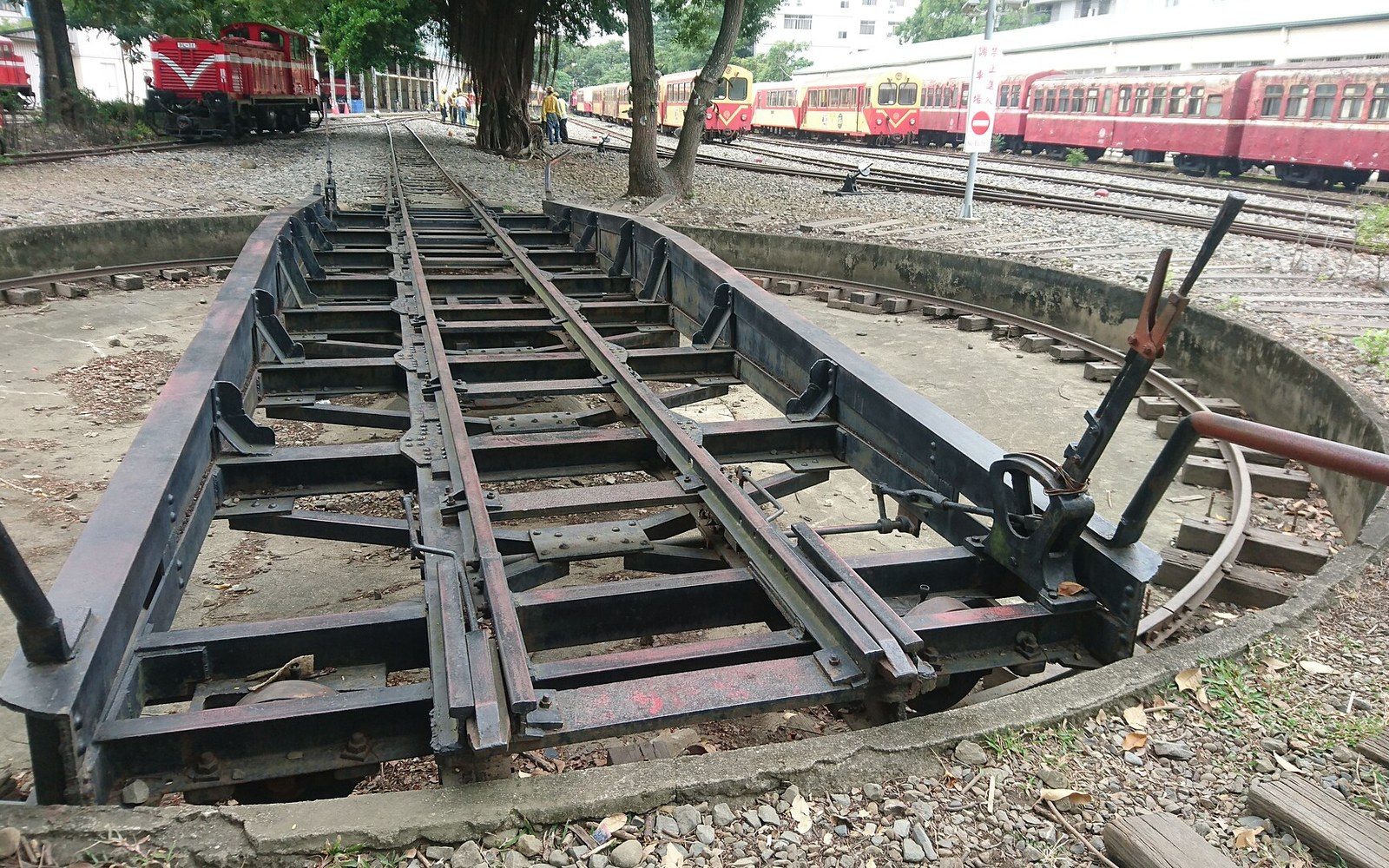
Taiwan's Organic Agriculture Promotion Act, in force since 2019, assigns responsibility for residue monitoring to the certifying bodies as well as to the competent authority, the Council of Agriculture. High-mountain production areas in Chiayi County, including those growing the oolong cultivars that made Alishan a recognised origin, face the particular complication that smallholdings are often interleaved with conventional plots across steep, cloud-wrapped terrain. Drift, run-off and shared water sources are structural realities of the growing landscape, and the certification system has to account for them rather than treat every detection as proof of intent.
The annual inspection visit described in the standard documentation is not designed to catch fraud through surprise; it is designed to maintain a credible file. Residue sampling is the instrument that tests whether the file and the land are telling the same story. Where they are not, the process that follows is methodical: source, route, responsibility, and only then consequence. Automatic withdrawal would punish operators for their neighbours' choices. Investigation asks a harder question — and demands a real answer.