Keeping the neighbour's spray out
A certificate that ends at the fence — but only if the fence holds
Organic certification describes what happens inside a boundary, but that boundary is porous. Wind carries droplets. Rain moves soil. A neighbour applying a synthetic fungicide on a still morning can put residues on certified ground within minutes, through no fault of the certified farmer. This is why every major rulebook — Taiwan's, the EU's and the USDA's — requires the certified operator to demonstrate that the land is protected from contamination it did not cause.
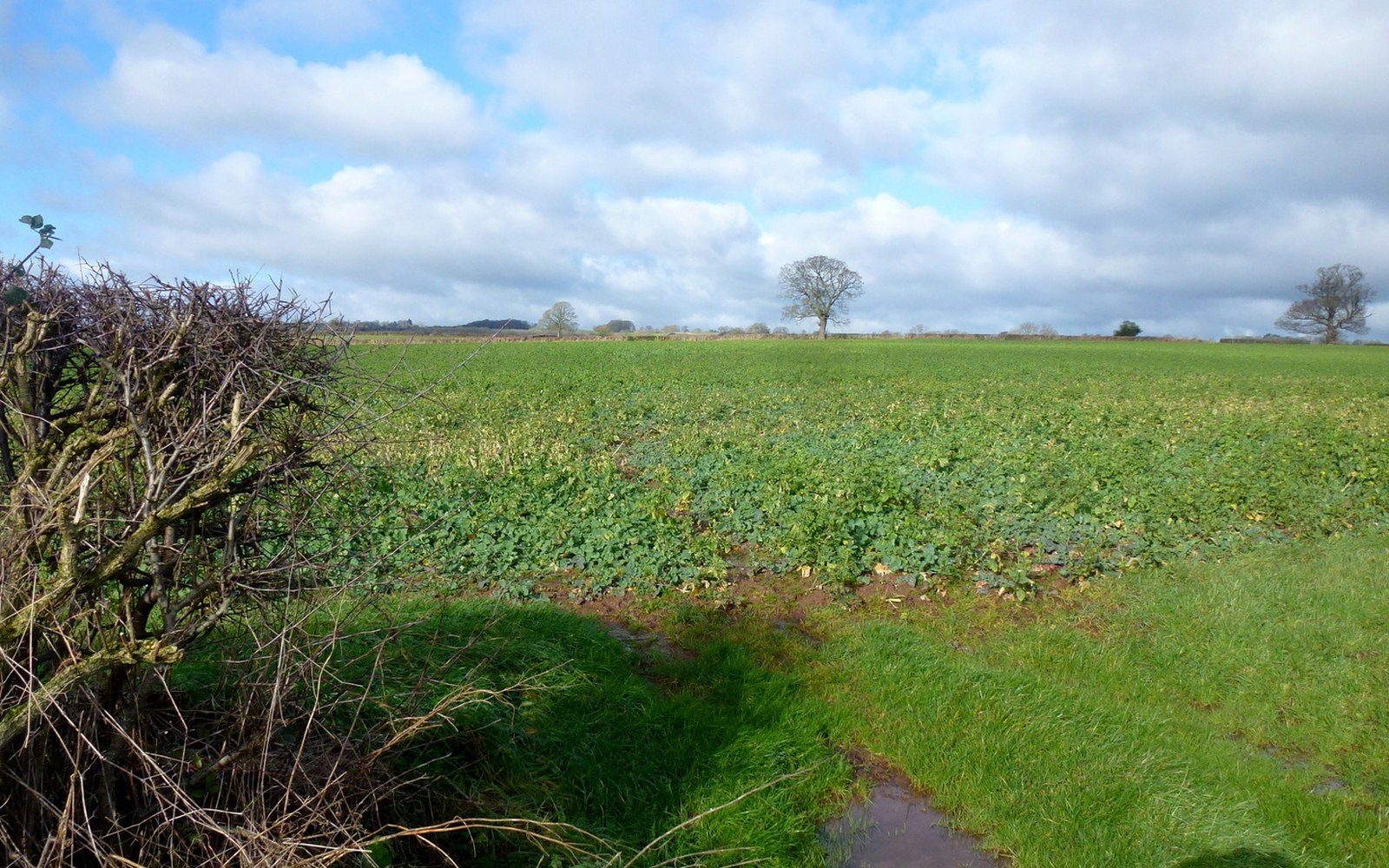
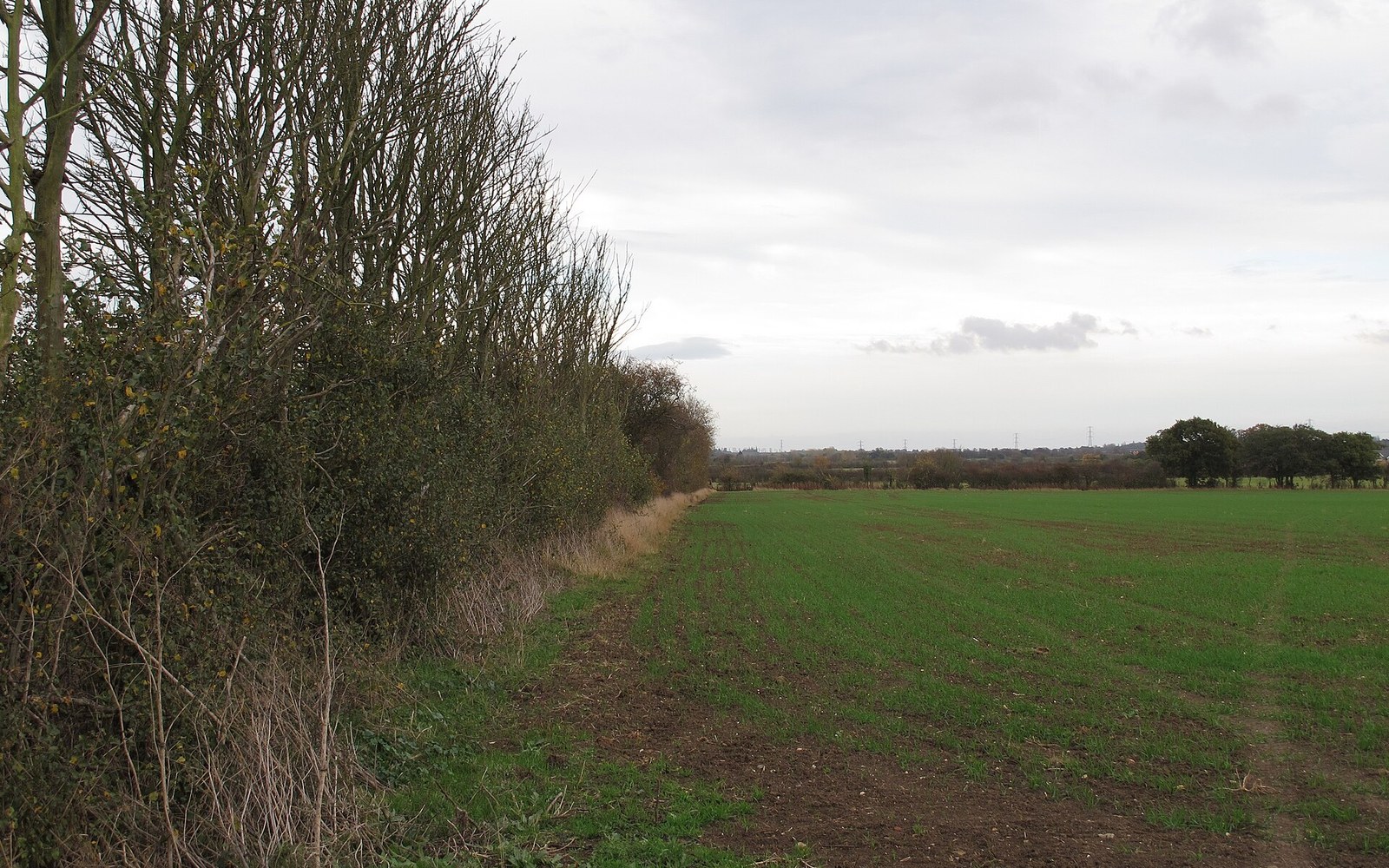
The practical instrument is the buffer zone: a strip of uncertified ground, a hedgerow, a windbreak, a watercourse margin, or some combination, placed between the certified plot and the nearest source of potential drift. What counts as adequate depends on the certifying body's judgment of local risk — the height of the adjacent crop, the steepness of the slope, the direction of prevailing wind — rather than on a single fixed measurement written into law. The USDA National Organic Program ↗ requires a farm plan that identifies the measures used to avoid contact with prohibited substances; the EU Organic Regulation similarly demands that operators take precautionary measures and document them.
In a place like Alishan, where high-mountain oolong gardens are planted on steep ridges in Chiayi County and conventional agriculture can occupy the next terrace down, the geometry matters acutely. Cloud and mist are daily features of the elevation above a thousand metres, and moisture-laden air moves across property lines without consulting them. A certified garden sharing a ridge with a conventional one carries a real and measurable risk. The certifying body that issues the annual inspection report must see a buffer plan, and any residue detected above a threshold triggers investigation and can suspend the certificate regardless of the farmer's own practice.

The burden is asymmetric: the certified farmer manages a risk created by the neighbour. A hedgerow of tall-growing species absorbs some drift; the crop from the hedge strip itself is sold as conventional, because it cannot be certified clean. That sacrificed strip is a direct cost of certification, measured in lost area and in management time. Some operators also install monitoring stakes at the boundary and submit voluntary residue samples between annual audits, building a documented record that, if a detection occurs, may help establish that the source was external.
None of this is a guarantee. Residue testing is ultimately the check that paperwork cannot provide on its own, and detections do happen on farms whose records are impeccable. The certificate, then, is a promise about practice combined with a structural attempt to defend that practice against the landscape around it — and in a mountain farming region, the landscape is rarely still.