What the line was built to remove
The timber the railway followed uphill
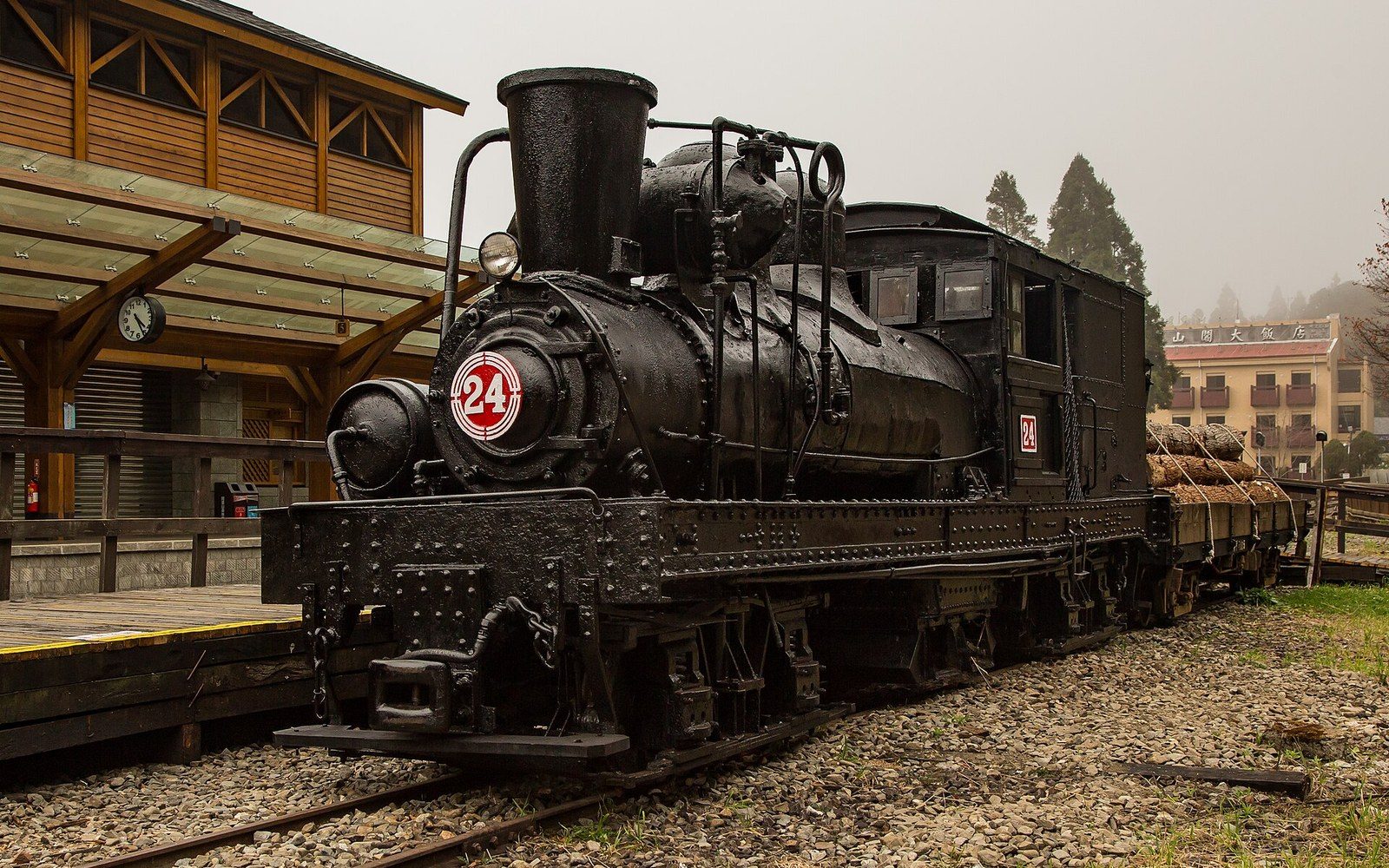
The Alishan Forest Railway, completed in 1912, climbed more than two thousand metres through Chiayi County for one reason: to bring old-growth timber down. The trees it was built to reach — principally Chamaecyparis formosensis (Taiwan red cypress, locally benihi) and Chamaecyparis obtusa var. formosana (Taiwan hinoki) — had stood for centuries in the upper forest zone above Zhushan. Their extraction was the entire economic logic of the line.
The two cypress species dominate what foresters call the cloud-belt zone, where moisture is persistent and temperatures are cool enough to slow decomposition. That slowness is precisely what made the timber so valuable: dense, aromatic, resistant to rot and insect damage, prized for temple construction and fine joinery across Japan during the colonial period. Logging began in earnest after the railway opened, and the extracted volume was enormous ↗ — felling continued under successive administrations until the late twentieth century, when the last commercially viable old-growth areas were approaching exhaustion.
The mechanism of the reversal is almost self-explanatory. By the time Taiwan's Council of Agriculture moved to restrict logging on public forest land in the 1980s and formalized comprehensive protections through the late 1990s, what remained was already a remnant. The Alishan National Scenic Area, established in stages and administered by the Tourism Administration, encompasses much of the surviving high-altitude forest; within it, the remaining cypress stands are protected precisely because so little of the original forest survived the extraction that the railway made efficient. Scarcity created by logging became the argument for preservation.
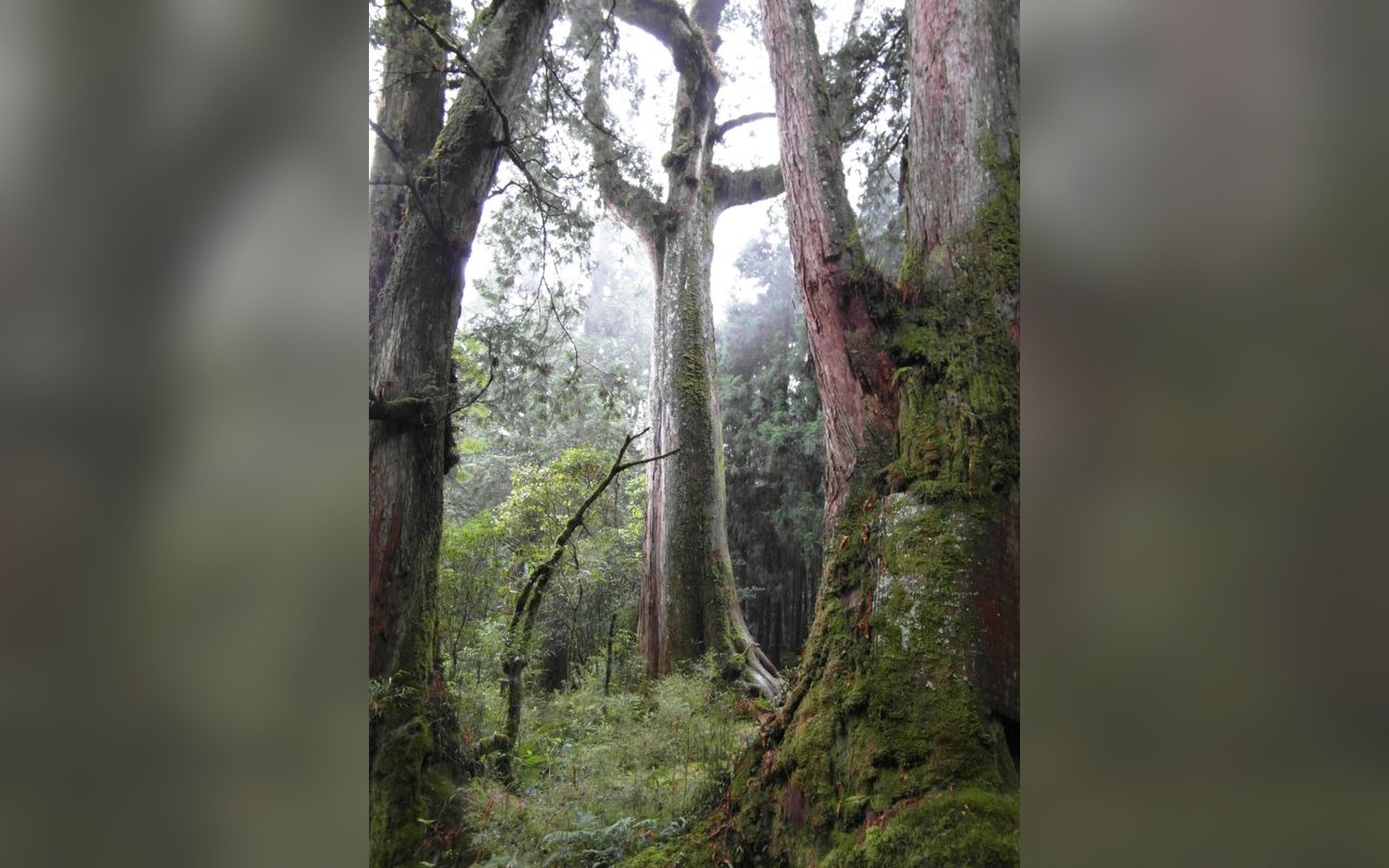
The trees still standing in the upper reaches near Zhushan and along the ridges above Fenqihu are, in a real sense, what the railway missed or left — too inaccessible, too marginal, or reached only after protection closed in. Several surviving specimens are estimated at over a thousand years old. The IUCN lists Chamaecyparis formosensis as vulnerable, with its range now essentially confined to Taiwan and its population fragmented by the very clearances the forest railway enabled.
Visitors walking the trails in the Alishan National Scenic Area today move through a landscape shaped as much by what was removed as by what remains. The protected groves are the consequence of the line, not incidentally related to it.